
Start with what you can see, feel and smell
Here are the signs we look for:
- Musty or earthy smells, especially on humid days
- Cold floors in the winter
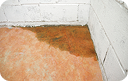
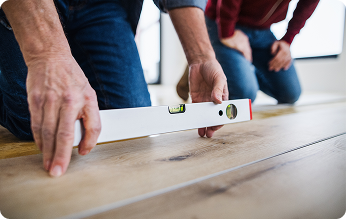
- Floors that are warping or buckling
- Soft, springy or sagging spots on the floor
- Gaps opening up between the floor and the baseboard
- More bugs than usual, like house centipedes or spiders
These aren’t separate problems. Cold floors usually mean your crawl space isn’t properly insulated or sealed. Musty smells often come from the “stack effect,” which pulls damp, unhealthy air up into your home. Soft spots usually mean moisture has been weakening the wooden supports. A gap at the baseboard usually means the supports are sinking or sagging.
Why your crawl space vents are working against you
Many Michigan crawl spaces were built with vents meant to “air things out.” In our area, that idea does more harm than good. In Michigan and Ohio, vents should be closed and sealed. Open vents let in humid summer air and freezing winter air, and both lead to mold and structural rot. In winter, freezing air sits directly under your floorboards, which is why your feet are extra cold on hardwood or tile.
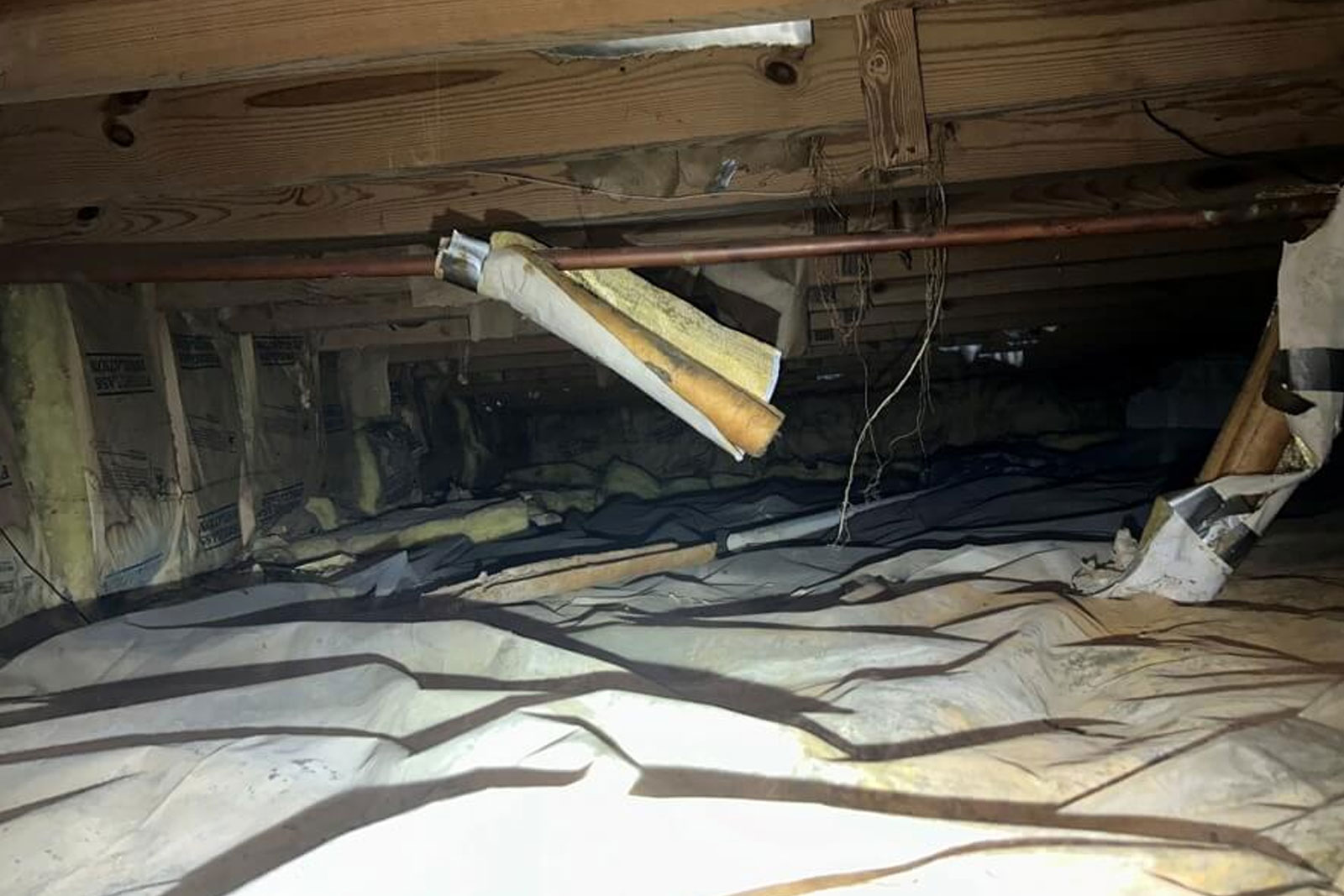
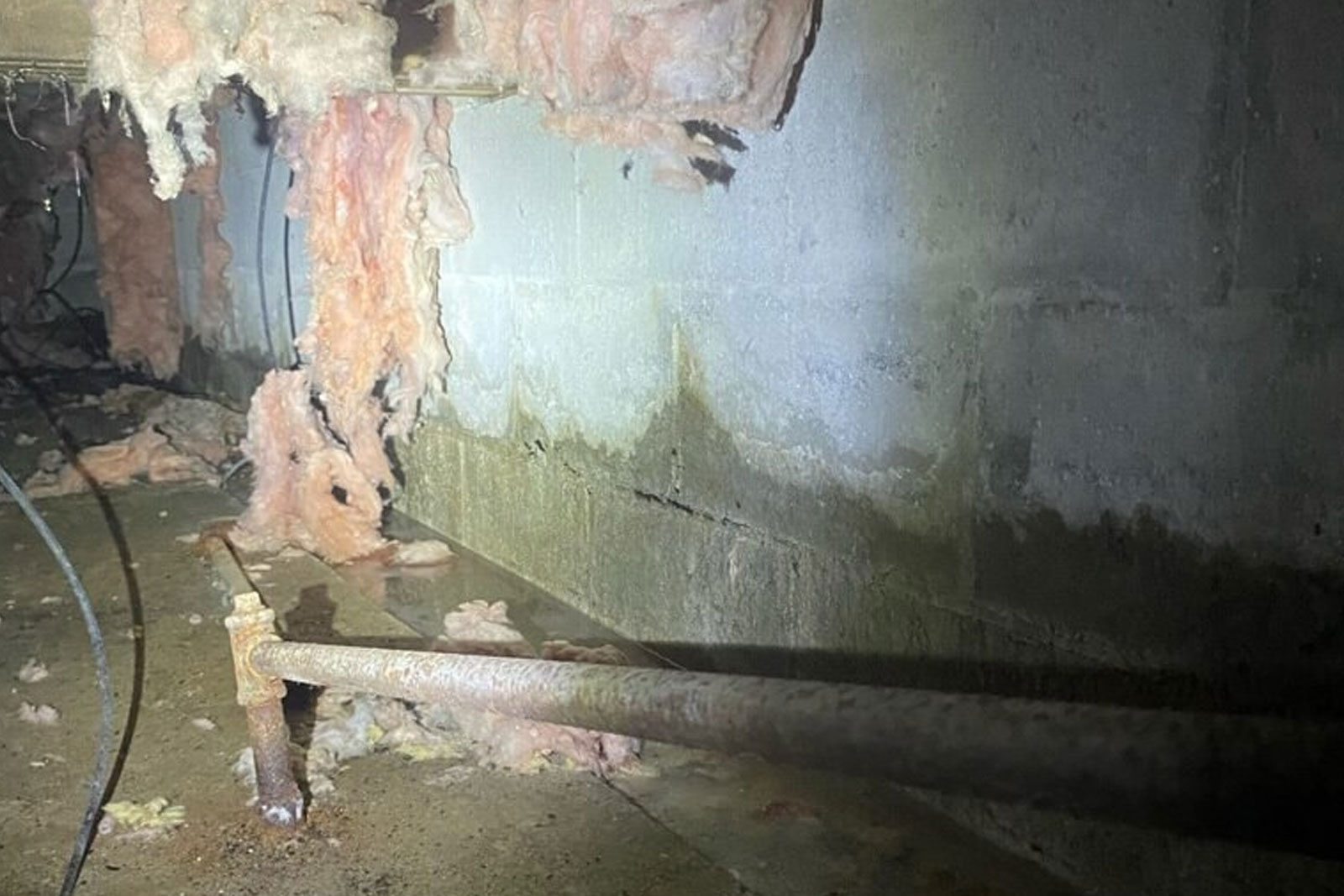

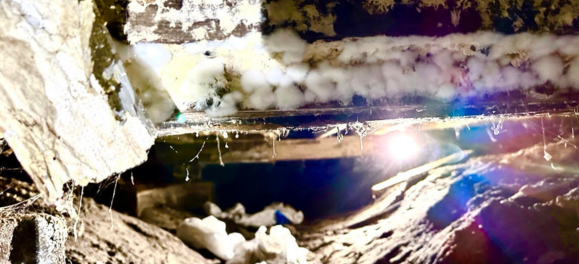
Click the above image for the full view.
A vapor barrier is not encapsulation
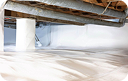
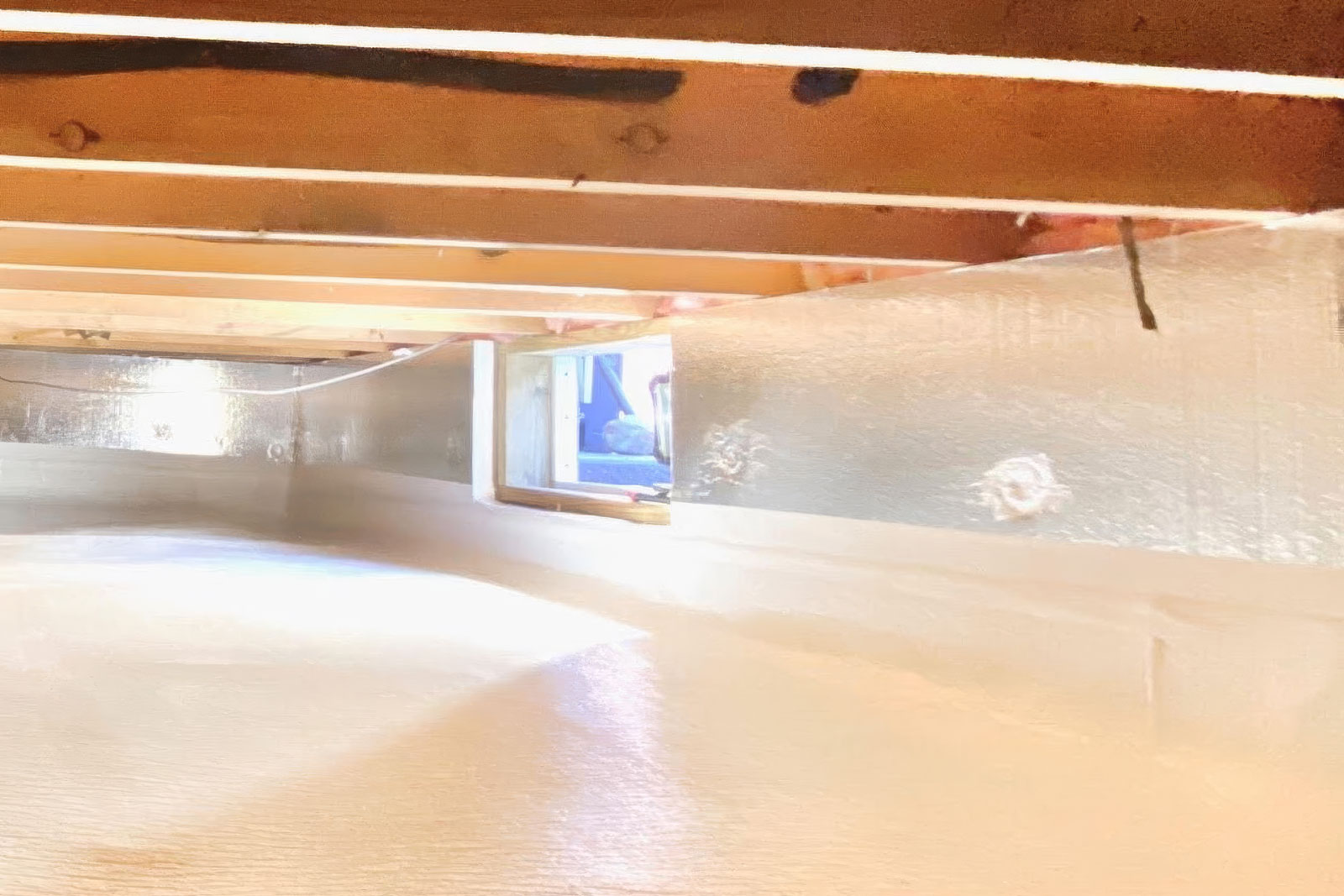
A vapor barrier just covers the dirt. Encapsulation seals the floors, walls and vents and turns the crawl space into a dry, conditioned part of your home. That keeps out the moisture, bugs and cold air a vapor barrier can’t do alone.
Our encapsulation system starts with insulation: 2-inch rigid board on the perimeter walls, a sealed bond cavity system that closes gaps, cracks and air leaks, and R-30 insulation. Then we install our 90-mil liner, which is non-permeable and antimicrobial. Most companies use a 20-mil liner, which has very limited thermal resistance. Ours is built to handle crawling and storage without tearing, and its bright white finish makes future inspections easier.
Stopping the stack effect means your HVAC system doesn’t have to work as hard, often saving 20–40% on energy bills.
Fix the structure and the water first, then seal
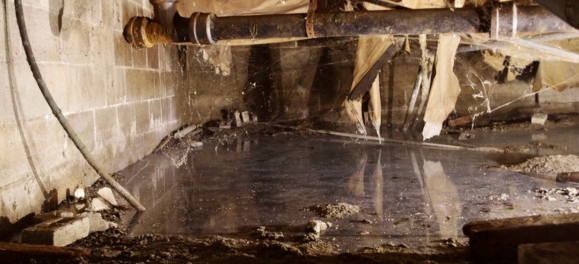
Encapsulation is rarely the first step. On a recent job in Caro, a homeowner was dealing with freezing floors in winter, mildew odors in summer and floors that had started to sag. Our inspector found standing water pooling on the ground, outside air leaking in constantly, and floor joists that had shifted.
What our team did to fix their crawl space:
- Stabilize the structure. We installed Correct Force Jacks to lift and permanently stabilize the floors.
- Seal the space. We installed a full crawl space encapsulation system, sealing off the earth and all outside air.
- Deal with the groundwater. We added a high-capacity sump pump so future water is pumped away from the foundation.
If you’ve ever seen standing water or mud in your crawl space, a sump pump is necessary to remove groundwater before the encapsulation goes in.


Click the above image for the full view.
The repair isn’t the end of the job
In Dryden Township, a homeowner had two damp, mildewy crawl spaces connected to the basement, plus a leak in the back wall. We repaired and waterproofed the wall and fully encapsulated both crawl spaces. Then we added a battery backup for the sump pump and installed a dehumidifier.
Once a repair is done, protection needs to be in place so the problem doesn’t come back. Mold needs moisture, and our goal is to keep crawl space humidity below 65%. Encapsulation plus a dehumidifier is the best thing you can do to prevent mold growth. Mold and mildew produce allergens and other toxic substances that can affect your health, and mold spores get pulled from the crawl space into your living space. With a properly maintained dehumidifier and sump pump, a high-quality encapsulation system is built to last, and that’s why we offer a 25-year warranty on our jobs.
Questions to ask before you hire anyone
- What liner thickness are you installing? (Ours is 90-mil.)
- Are you sealing the vents and walls, or just covering the dirt?
- What happens to the standing water and the sagging floors first?
- What’s the plan to keep humidity under control after the job is done?
- What’s the warranty?
Get the answer before the cold sets in
If your floors are cold, your house smells musty or the floors feel soft, your crawl space is likely the reason. We’ll inspect it for free, find the root cause and tell you exactly what it needs. Call us at 877-MAKE-DRY

