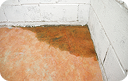




Rain itself doesn’t damage foundations. The real risk comes from standing water collecting against expansive soil near your home. As soil becomes saturated, it expands and exerts massive hydrostatic pressure against concrete walls, leading to micro-fissures, bowing, and active water seepage.
Before the heavy fall rains begin, take 15 minutes to perform this 5-step drainage audit around your property.
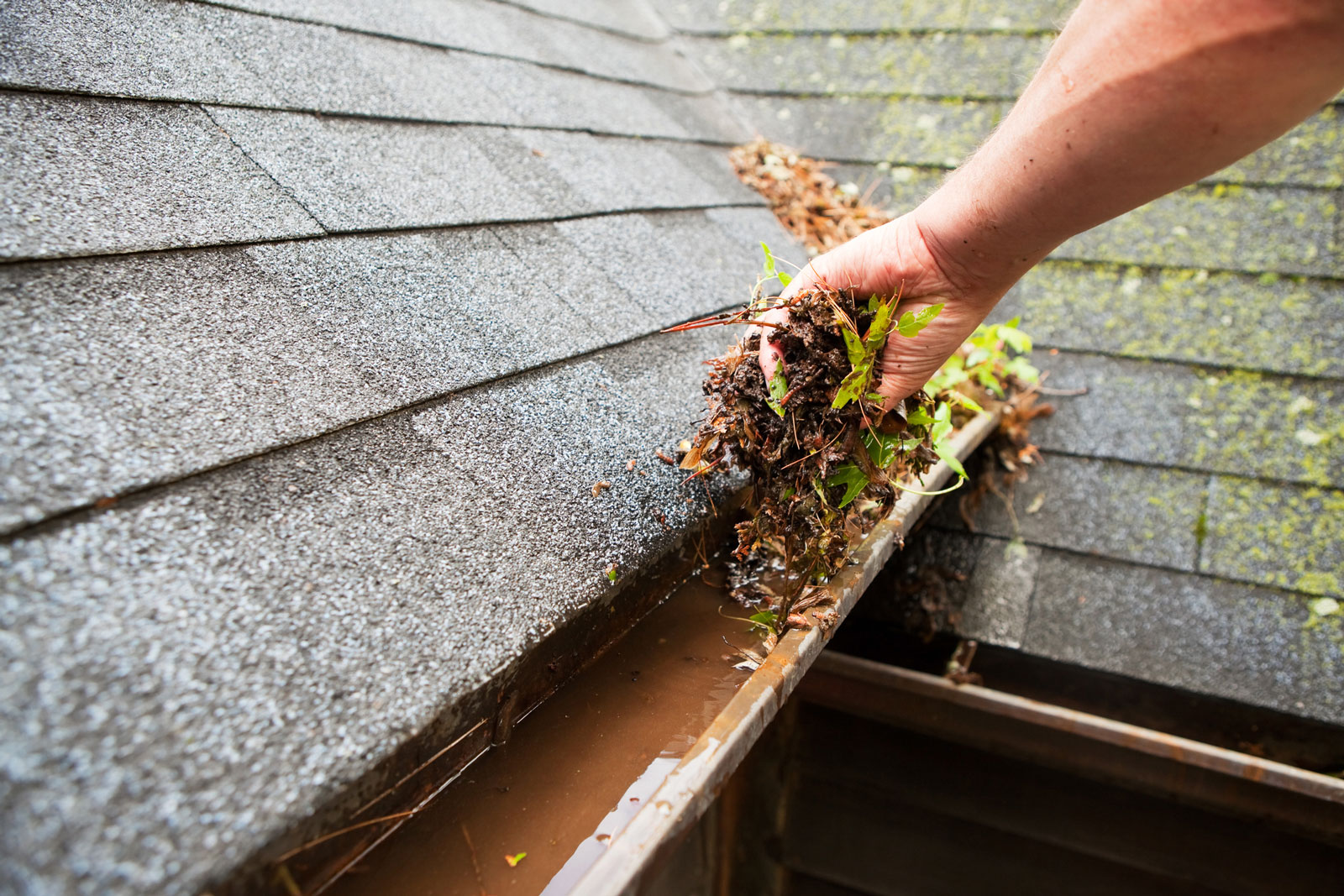
1. Clean Gutters and Check Downspout Joints
Overfilled gutters spill water directly over the side, concentrating hundreds of gallons of rain right against your foundation wall. Clear away leaves, pine needles, and debris. While testing them with a hose, make sure downspout elbows and seams are tight so water isn’t leaking down the corners of your home.
2. Check Your Downspout Extensions
Discharging rainwater 1 to 2 feet from your house does very little good; that water quickly sinks into the soft backfill soil and finds its way into your crawl space or basement. Ensure your downspout extensions pipe water at least 3 to 6 feet away from the foundation, in a gently sloped part of your yard, a pop-up emitter, or a rain garden.
3. Inspect the Slope (Check for Negative Grading)
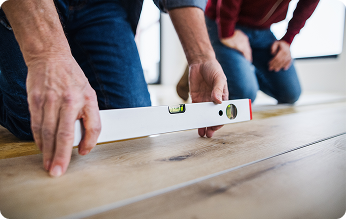
Walk your foundation perimeter and check the soil level. The ground should gently slope down away from your home—ideally dropping about 6 inches within the first 10 feet. Over time, soil settles against foundation walls. If you spot low areas, add dense clay-based soil (not porous mulch) to restore a positive slope.
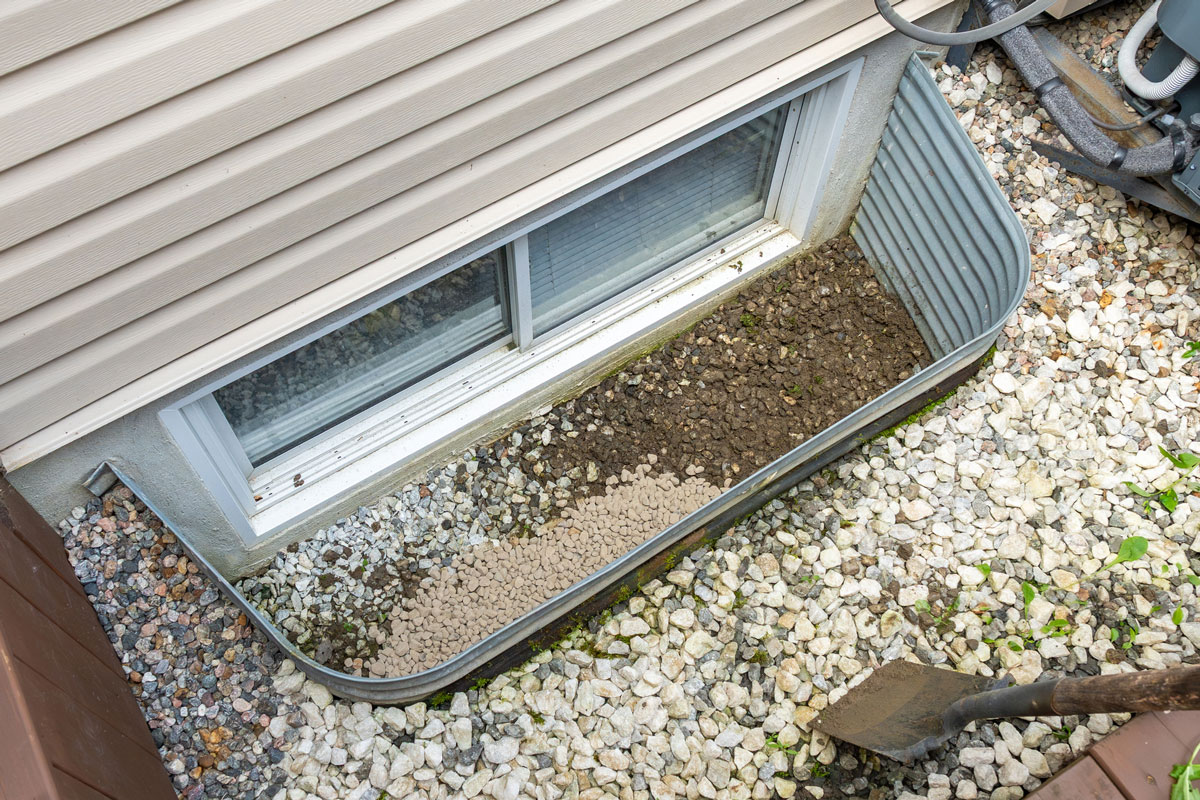
4. Clear Window Wells and Drainage Covers
If your basement features window wells, ensure they are free of fallen leaves and organic buildup. Clogged drains in window wells transform your basement windows into holding tanks for rainwater, eventually forcing water past window seals and into your living area.
5. Test Sump Pump Discharge Lines
If your home has an existing interior drainage system or sump pump, run a quick bucket of water into the basin to test the float switch. Next, check the exterior discharge pipe outside to ensure it’s clear of leaves, nests, or crushed piping before peak rain season hits.
Protecting Your Home Starts Before the Rain Falls
Catching small drainage flaws early is the simplest way to prevent major structural stress down the road. An afternoon spent adjusting downspouts and clearing debris protects your foundation for the months ahead.
If you’ve completed your fall audit and noticed standing water near your walls, soggy soil that never dries, or damp basement corners, our team is here to help. Reach out to Foundation Restoration today for a free assessment.