



How Does Water Get In?
Even well-built homes in Michigan are vulnerable to water intrusion. Here are the most common ways it happens:
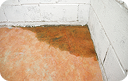
- Foundation Cracks: Soil shifting or settling around your home can create cracks in foundation walls or floors. These small gaps are easy entry points for groundwater
- Cove Joints: The space where the basement floor meets the wall (called a cove joint) is naturally prone to seepage, especially after heavy rain.
- Hydrostatic Pressure: When the soil around your home becomes saturated, it pushes water toward your foundation with intense pressure, forcing it through any vulnerable points.
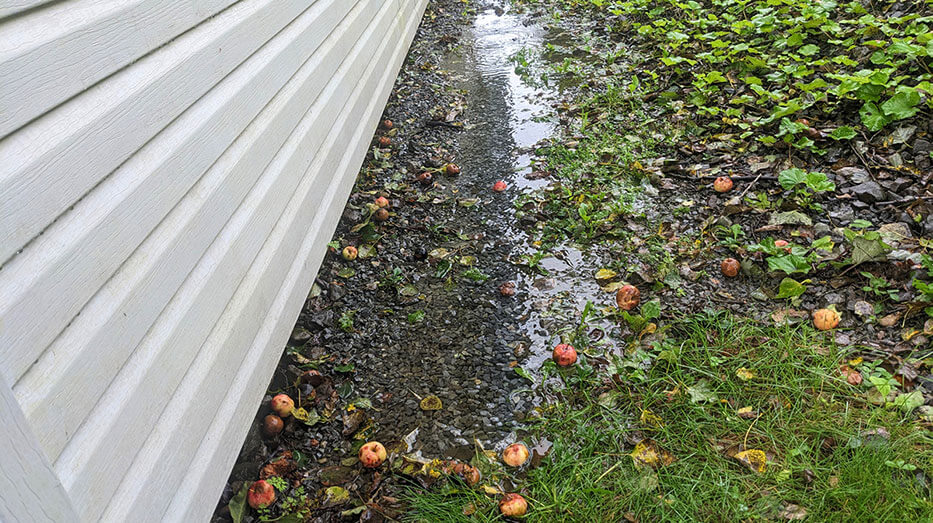
- Poor Drainage: If your gutters, downspouts, or landscaping direct water toward your foundation instead of away from it, your basement becomes more likely to flood.
- Field drainage system: Most homes have an original drainage system that runs the perimeter of their home. Most homes have an original drainage system that runs the perimeter of their home. It is a perforated pipe covered in gravel. Overtime the water soaks through the soil, eventually dragging the soil down into the original drainage system, much like an hourglass. Once the drainage system is filled with sediment it no longer accommodate the water and the water will build up in the Claiborne grading hydrostatic pressure on your foundation.
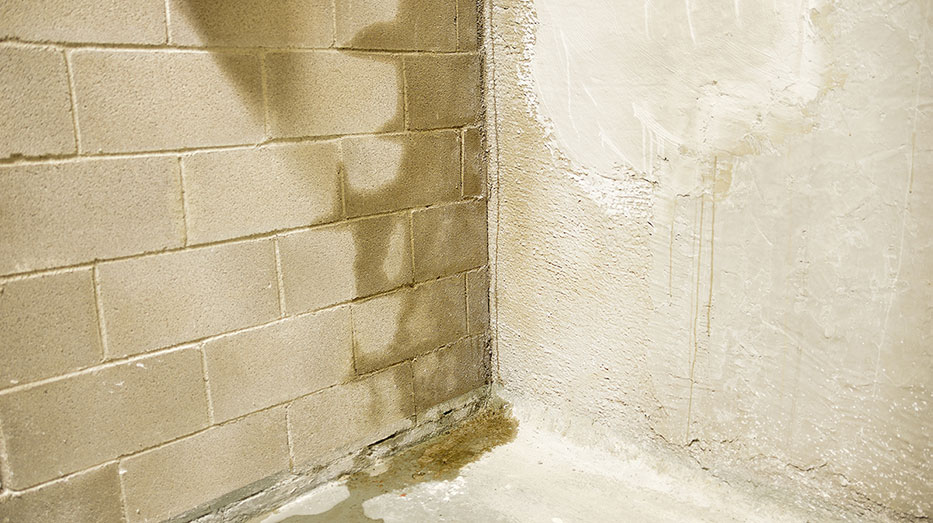
Click the above image for the full view.
Why Basement Waterproofing Is So Important
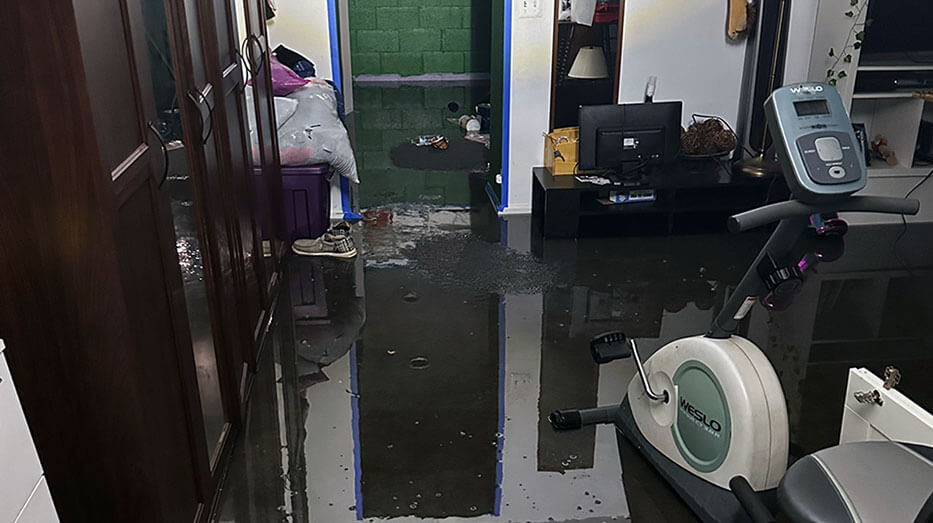
Ignoring moisture in your basement can lead to a plethora of long-term issues, including:
- Mold & Mildew: Damp basements are ideal environments for mold growth, which can harm air quality and your health.
- Structural Damage: Ongoing exposure to water can weaken concrete, damage wood framing, and compromise your home’s stability.
- Electrical Risks: Water near outlets, wiring, or appliances can lead to shorts, shocks, or fires.
- Lower Property Value: Buyers may offer significantly less or choose to walk away from a home with a history of water damage. The state of Michigan has a disclosure law known as the Seller Disclosure Act which require sellers to disclose basement leaks. As a result, most banks will not finance the purchase of the home until the repairs are made.
The “Clay Bowl Effect” in Michigan
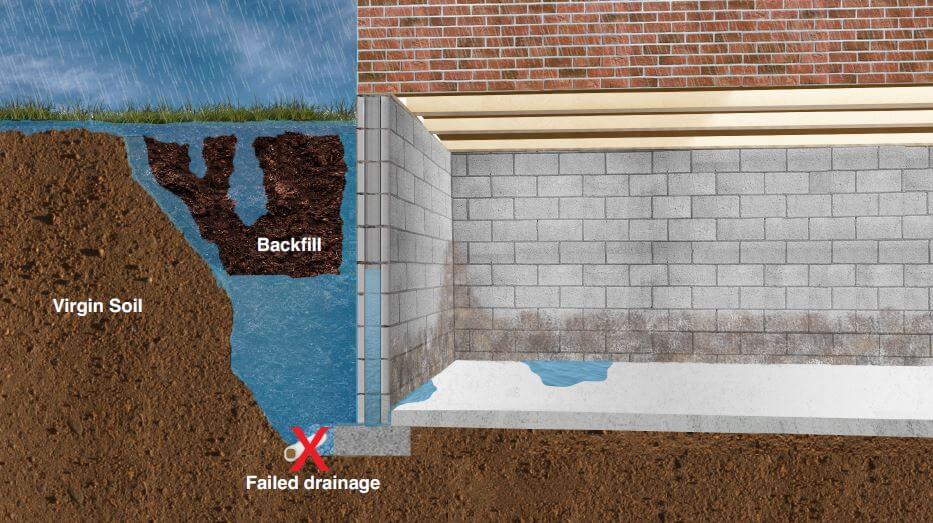
Click the above image for the full view.
After excavation, during construction, the loose soil that’s backfilled around your foundation creates a bowl-shaped area that traps water, putting pressure on your basement walls. As water soaks through the backfill zone, the water will seep through the soil and over time drag sediment down into the drain tile eventually clogging and making the drainage inoperable.
According to Michigan State University and the U.S. Department of Agriculture’s Soil Conservation Service, the soil in Southeast Michigan is a mixture of loamy or clay soils, making homes even more susceptible to this “clay bowl effect,” which is why waterproofing in this region can be so essential for many homeowners.
Waterproofing Solutions That Last
At Foundation Restoration, we offer interior and exterior waterproofing solutions, including:
- French drains
- Interior drainage
- Exterior drainage
- Above footing drainage
- Cove joint drainage
- Trench drains
We proudly serve Southeast Michigan and parts of Ohio, bringing peace of mind to homeowners across the region.
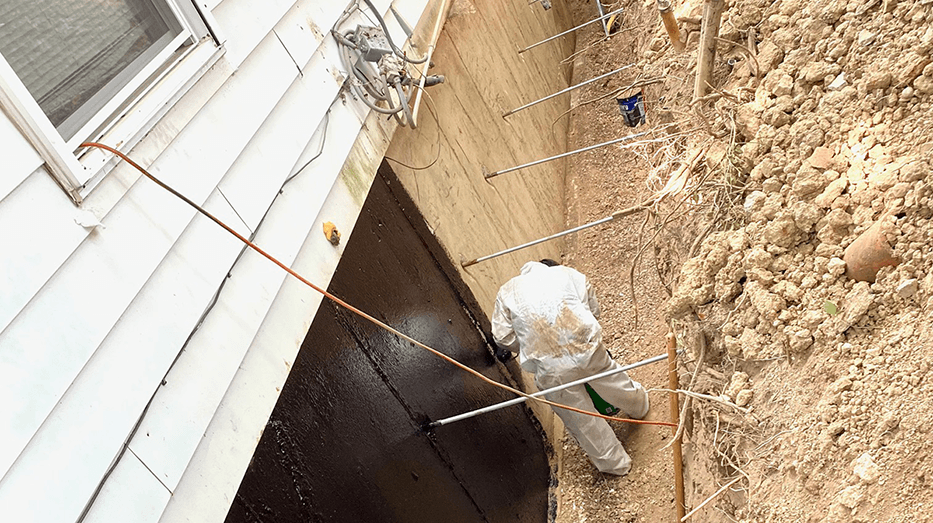
Click the above image for the full view.
Don’t Wait Until It’s Too Late
If you’ve noticed signs of basement moisture, such as musty smells, visible cracks, or water stains, now’s the time to act. Proactive waterproofing is more cost-effective than water damage repair.