




As the crisp autumn air starts to arrive in Michigan, it’s a sign that now is the time to begin thinking about how to prepare your home for the colder months ahead. While many homeowners focus on leaf cleanup, prepping their furnace or winterizing windows, it is equally crucial to address two of the most vital components of your home: the foundation and the crawl space. These areas are your home’s first line of defense against the seasonal elements. By taking a proactive approach, you can prevent costly foundation repair, maintain good indoor air quality, and ensure your home remains stable and secure all winter long.
The Interconnected Role of Your Crawl Space and Foundation
Your crawl space and foundation work together to support the entire structure of your house. A healthy foundation provides a stable base, while a well-maintained crawl space helps protect that foundation from moisture and other environmental factors. Neglecting one can lead to problems for the other, which is why a comprehensive approach to fall maintenance is so important.

Click the above image for the full view.
Fall Checklist: Essential Steps for Foundation and Crawl Space Health
Here are the key areas to inspect and address before the temperatures drop and the ground freezes.
1. Manage Water and Drainage Around the Foundation
Water is a foundation’s greatest enemy. The freeze-thaw cycle of Michigan winters can cause water to expand in cracks, leading to significant damage.
✅ Clean Gutters and Downspouts:
Clogged gutters can cause water to overflow and pool around your foundation, saturating the soil and increasing hydrostatic pressure. Additionally, in the winter, clogged gutters can cause water to back up and aid in the formation of ice dams on your roof. This can easily force melting snow and ice into your attic and walls, leading to water damage. Ensure your gutters are cleaned out and downspouts extend several feet away from the foundation to direct water flow away from your home.
✅ Clear Leaves and Debris:
Leaves and debris around your foundation can trap moisture, contributing to mold and mildew growth and increasing soil pressure, potentially leading to cracks. Piles can also provide a warm and cozy shelter for pests, allowing them to more easily find their way inside your home.
✅ Inspect for Foundation Cracks:
Walk the perimeter of your home and inspect the foundation walls for any cracks. While small hairline cracks can be common, larger or widening cracks can indicate a more serious issue. Look for cracks that are wider than a 1/8 of an inch, horizontal cracks, or stair-step cracks in brickwork. If you see these types of cracks, we recommend contacting a professional.
✅ Check Your Property Grading:
The ground around your house should slope away from the foundation. If you notice areas where water pools, you may need to add soil to correct the grade and improve drainage. This is a simple but effective way to prevent future foundation problems.
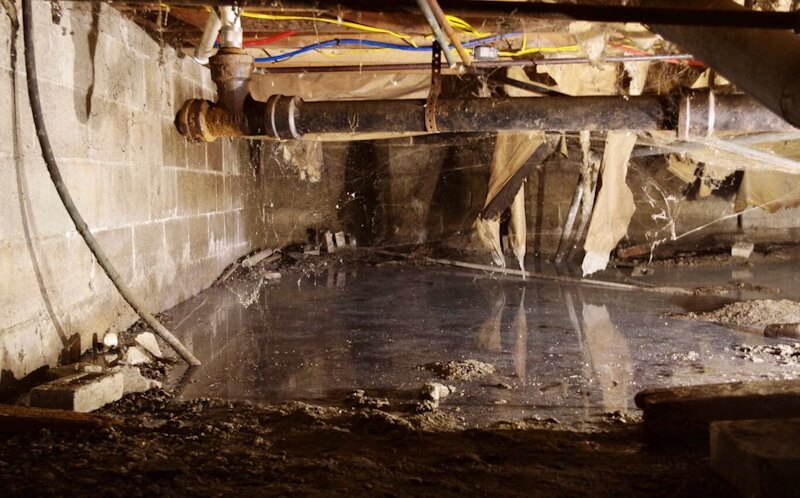
Click the above image for the full view.
2. Address the Crawl Space Environment
Your crawl space can be a source of problems that affect not only the foundation but your entire home’s health.
✅ Check for Moisture and Standing Water:
A damp crawl space is a breeding ground for mold, mildew, and pests. Use a flashlight to check for signs of moisture, water stains on the walls, or standing water on the ground. A musty smell is also a clear sign of a moisture issue.
✅ Evaluate Ventilation and Insulation:
Proper ventilation in the crawl space is critical for moisture control. Ensure all vents are clear of debris and are working correctly. Also, check the insulation on your pipes and between your floor joists. Damaged or missing insulation can lead to frozen pipes and higher energy bills.
✅ Consider Crawl space Encapsulation:
For long-term moisture control, crawl space encapsulation is an excellent solution. This involves installing a heavy-duty vapor barrier on the floor and walls of the crawl space, which seals out moisture and improves air quality throughout your home.