

How an Unsealed Vapor Barrier Creates a “Vicious Cycle”
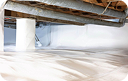
Laying plastic on the ground without sealing the edges or closing off outside air allows humid outdoor air to freely enter the crawl space through open vents and unsealed gaps. When that warm, humid air meets the cooler surfaces inside your crawl space, condensation happens, and that is where the trouble starts:
-
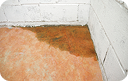
Water cannot drain into the soil: Instead of moisture absorbing naturally into the dirt floor, the condensation drops out of the air and pools directly on top of the plastic liner.
-
Puddles continuously evaporate and re-condense: Because the water sits trapped on top of the plastic, it eventually evaporates back into the crawl space air, raising indoor humidity levels before condensing back into puddles later.
-
Persistent dampness damages your home: Even when the puddles temporarily dry up, that moisture hasn’t left your home, it is suspended in the air, putting floor joists, insulation, and indoor air quality at risk.
In fact, some of the worst crawl space moisture issues happen in homes where someone simply laid loose plastic on the dirt without properly sealing the space.
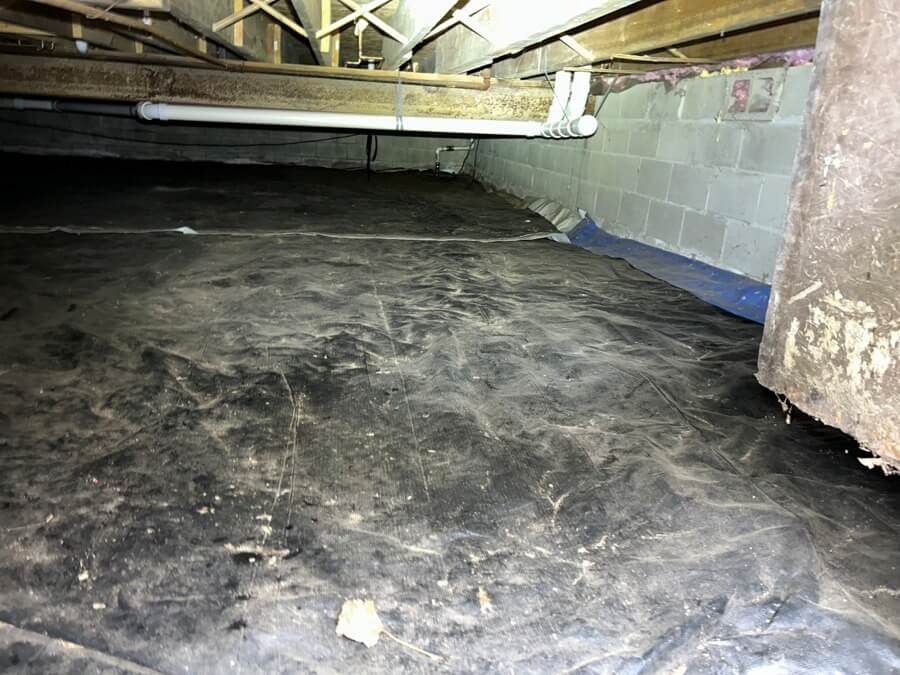

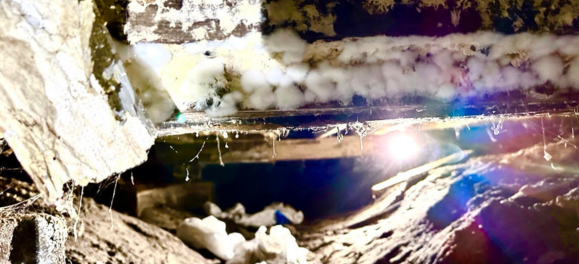
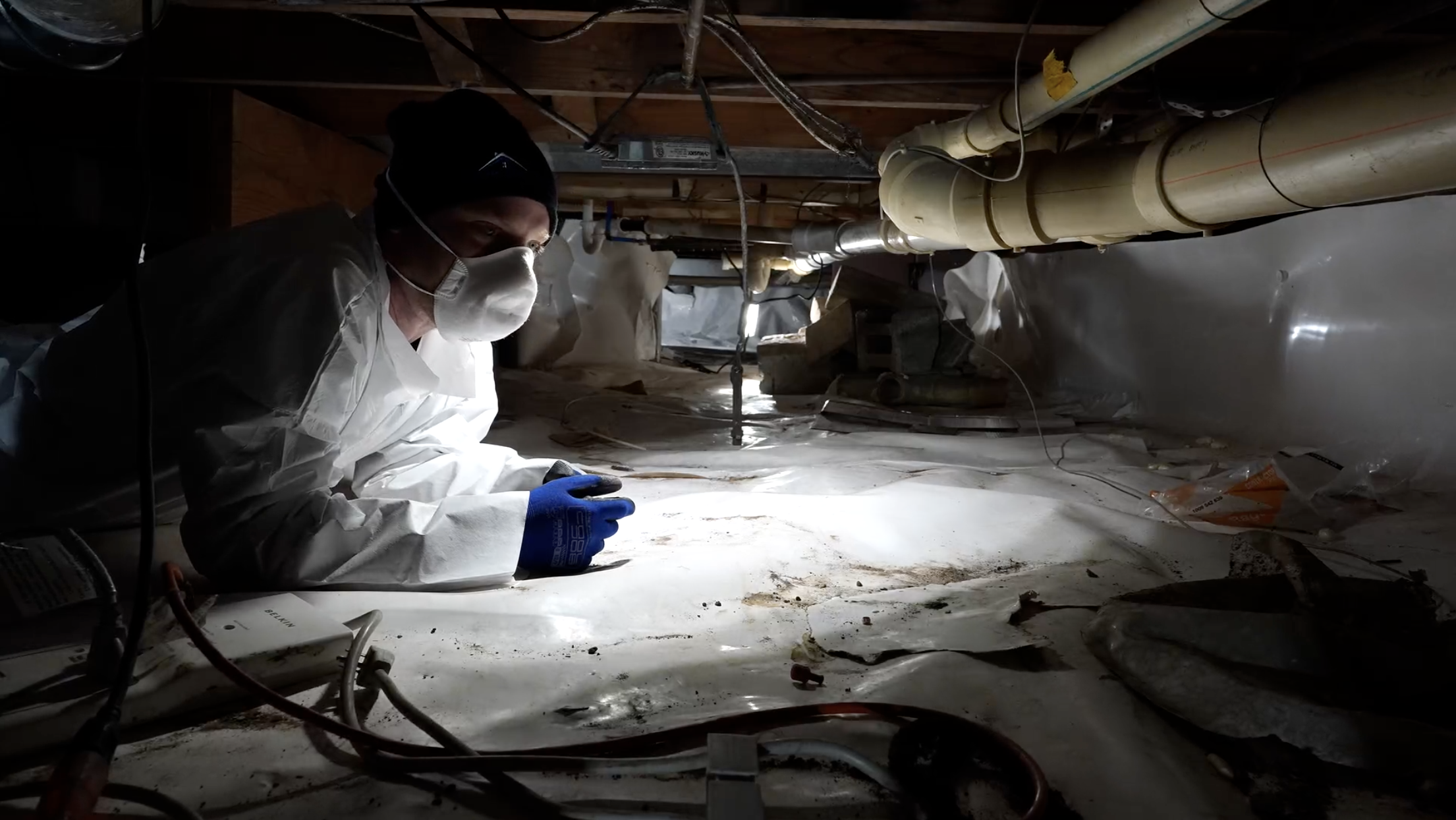
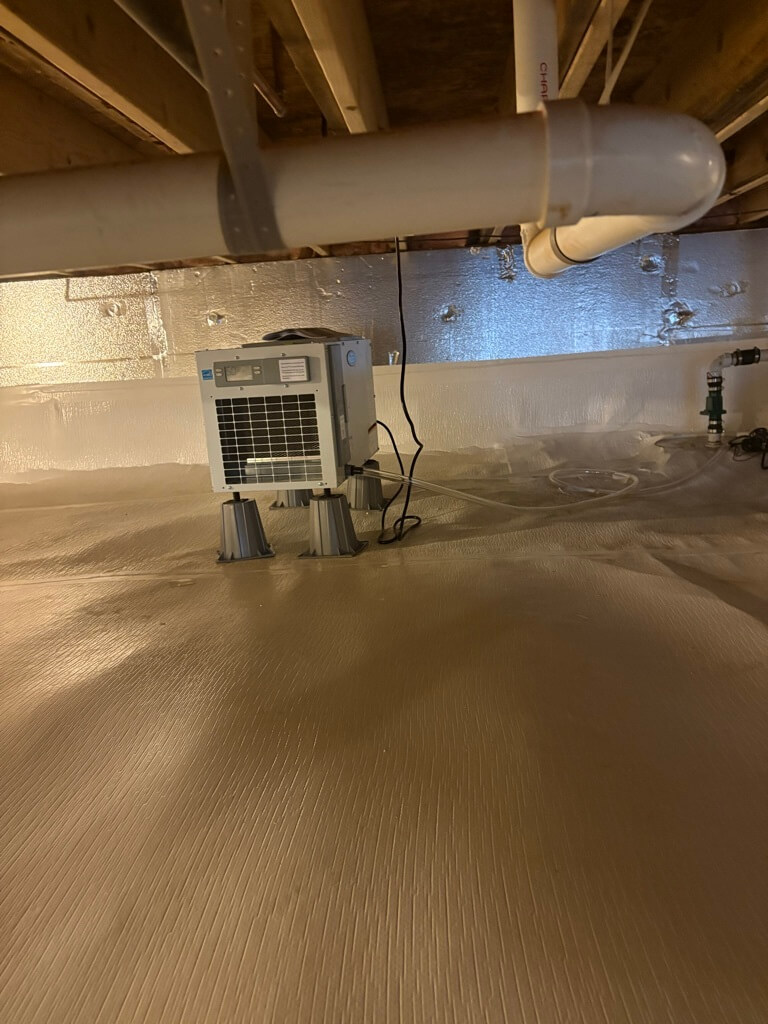

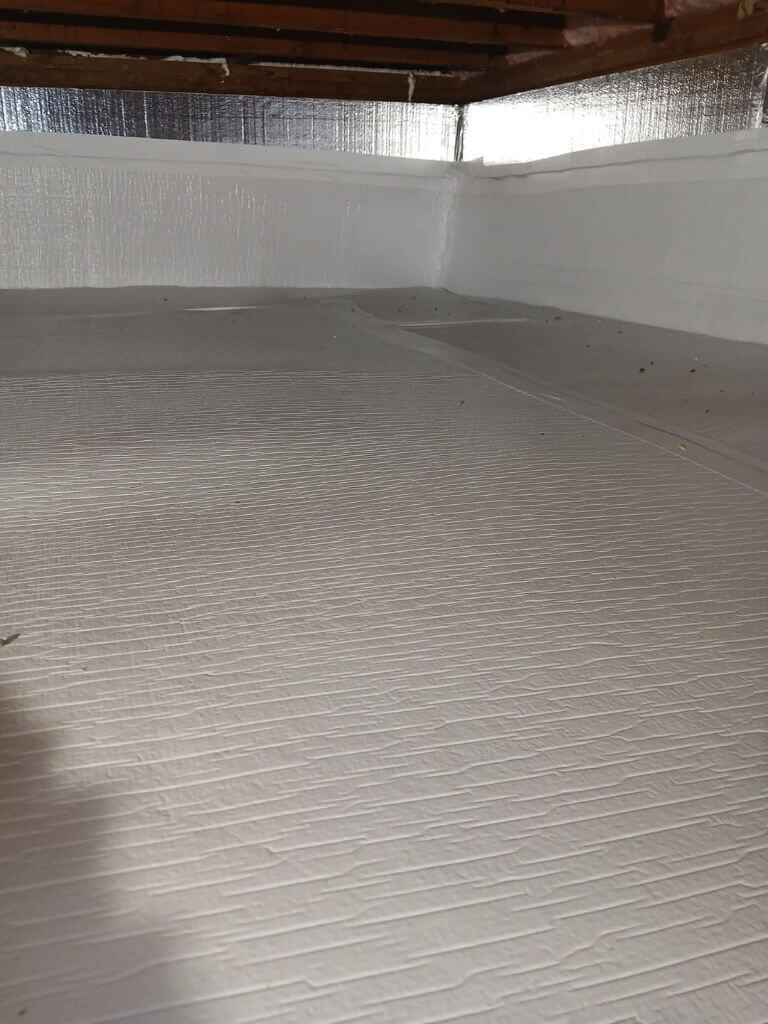
Click the above image for the full view.
Loose Plastic vs. Full Crawl Space Encapsulation
To truly protect your foundation and indoor air quality, a crawl space needs more than a loose floor covering, it needs full encapsulation.
Feature |
Traditional 6-Mil Plastic Liner |
Full Crawl Space Encapsulation |
|---|---|---|
| Installation | Laid loosely on the dirt floor; untaped and unsealed | Heavy-duty liner sealed across the floor, seams, and up the foundation walls |
| Crawl Space Vents | Left open to outside air | Sealed off to block humid outdoor air |
| Moisture Behavior | Condensation pools on top of the plastic and recycles into the air | Outside humidity is prevented from entering the space |
| Primary Benefit | Keeps dirt off you when crawling underneath the house | Protects your foundation, wood framing, and indoor air quality long-term |
Why Full Encapsulation Makes the Difference
The goal of encapsulation goes far beyond giving you a clean floor to crawl across. By sealing the liner up the foundation walls, taping every seam, and closing off outside air intrusion, you stop humid air from entering the crawl space in the first place. Without that constant influx of outside humidity, condensation stops forming—breaking the moisture cycle for good.
Not sure if your crawl space liner is trapping moisture? If you see standing water, water stains on your plastic barrier, or smell musty air coming from underneath your floors, it may be time to have a foundation specialist inspect your crawl space and discuss proper encapsulation. Contact us for a FREE inspection

