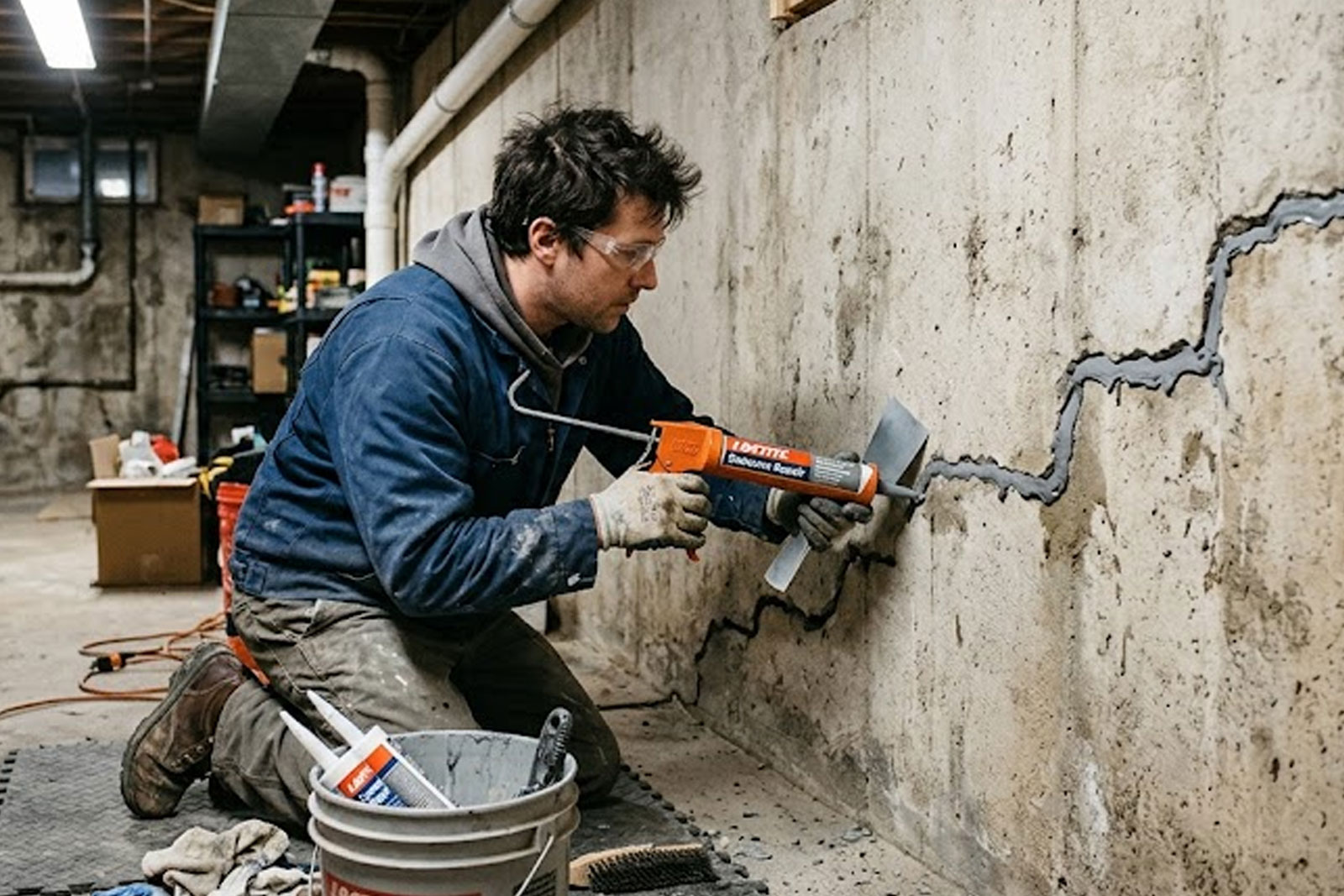

The crack isn’t the problem
A crack is a symptom. The cause is usually outside the wall. Excessive soil pressure, often caused by poor drainage, saturated soils, or freeze-thaw cycles, can place tremendous force against your basement walls. Under that pressure, walls can lean, crack, or bow inward.
Here in Southeast Michigan, the soil makes this worse. The clay soils common in our region expand when wet and shrink when dry, which puts constant pressure on your foundation and can damage it over time.
A surface patch can hide a crack, but it does nothing to that pressure. The soil keeps pushing whether or not the wall looks smooth.
Not every crack means the same thing
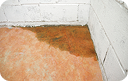
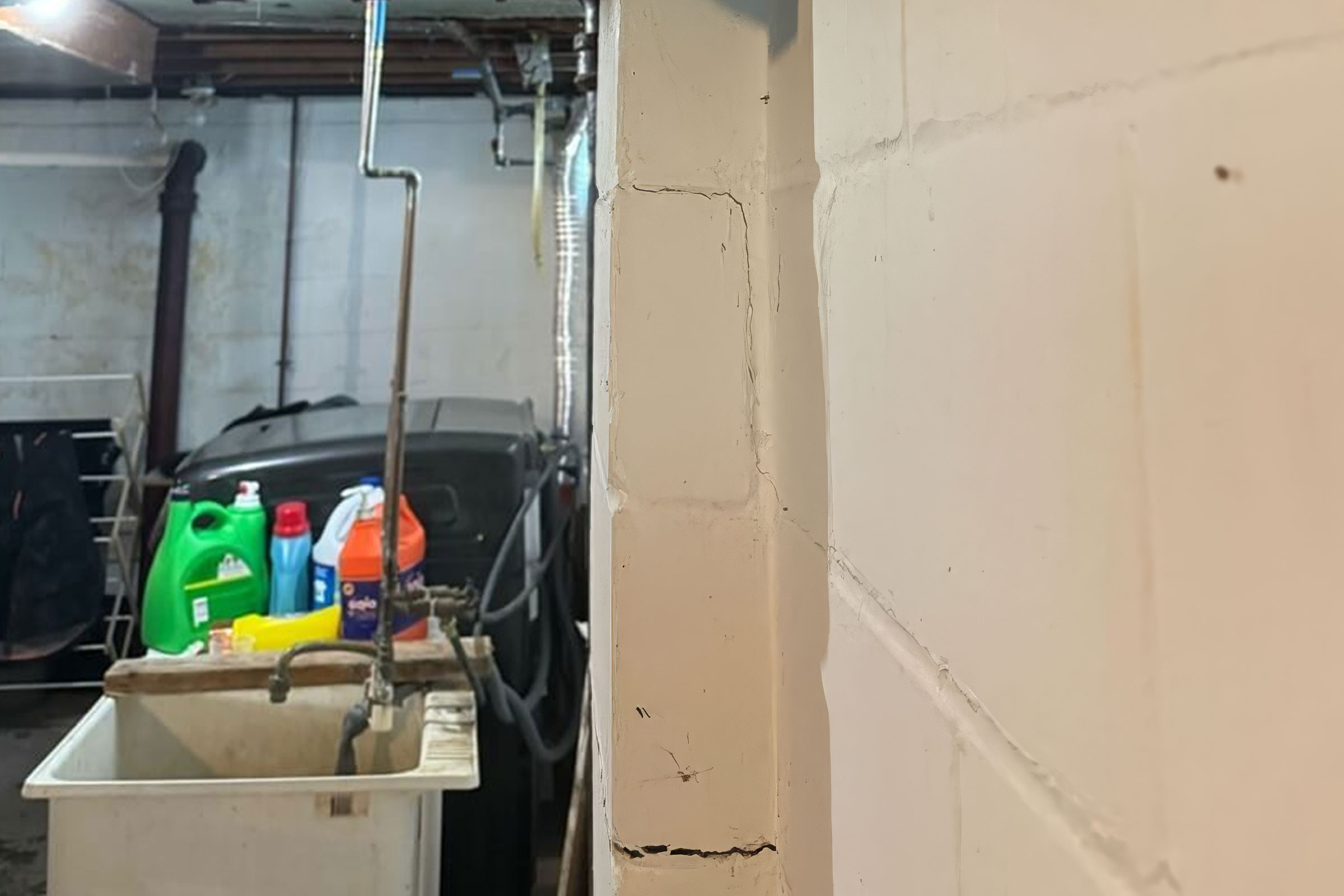
Some cracks are harmless. Hairline vertical cracks are common settling. Horizontal cracks, stair-step cracks in brick, and cracks wider than 1/8 inch usually indicate structural movement.
Check for these signs:
- Stair-step cracks in basement block or exterior brick
- Doors or windows that stick, jam or won’t shut
- Cracked or bowing walls
- Uneven or sagging floors
A wall that bulges inward is the more serious case. It’s being pushed by extreme soil pressure and needs immediate reinforcement.
Waiting costs more
Foundation issues are progressive. Soil pressure and weather cycles will continue to shift your home, often leading to more expensive repairs later. Every freeze-thaw season and wet spring is another round of pressure on a wall that has already shown it’s moving.
The same logic applies to cosmetic repairs. After a foundation is stabilized, the house can settle slightly and leave small stress cracks in the drywall. That’s why we recommend repairing the problem before fixing any cosmetic issues.
What a real fix looks like
Fixing a wall means stopping the pressure from moving it. For a bowing wall, we recommend wall anchors with Samson braces. A steel anchor plate is mounted to the interior wall and connected by a high-strength steel rod to an earth anchor embedded deep in stable soil beyond your foundation. That stable soil counters the pressure from the loose backfill. Because the system can be adjusted over time, it can also bring a bowed wall back toward its original position.
Carbon fiber straps have a place, but a narrower one. They can stop a wall from getting worse, but they won’t put it back where it belongs, so we use them for very minimal, early-stage bowing.
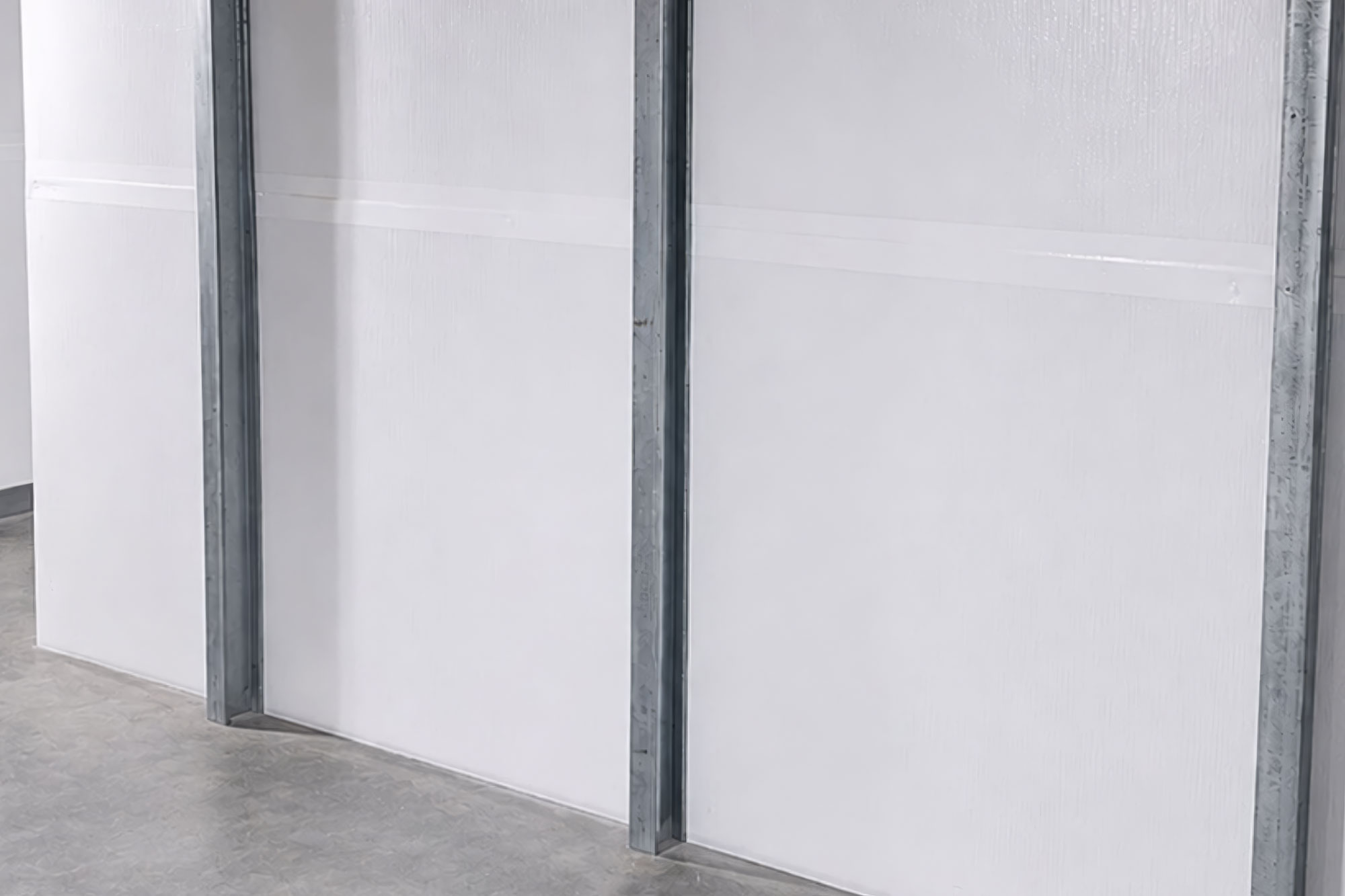
You also don’t necessarily have to dig up your yard. Some jobs only require interior solutions such as wall straps, and when a job does need outside work, we keep disruption to your landscaping minimal.
Things to consider first:
- Does this repair address the soil pressure, or just cover the crack?
- Is this crack structural or just settling, and how do you know? (Keep the 1/8-inch and horizontal-crack warning signs in mind.)
- Will this stop the wall from moving further, and can it be adjusted over time?
- What’s the warranty? (Our repairs are designed to be permanent and typically come with a lifetime transferable warranty.)
Get a professional opinion first
If you can’t tell whether your crack is settling or something more, an inspection settles it before you spend money on a patch. We offer free inspections, and financing options are available if cost is a concern. Call us at 877-MAKE-DRY

