
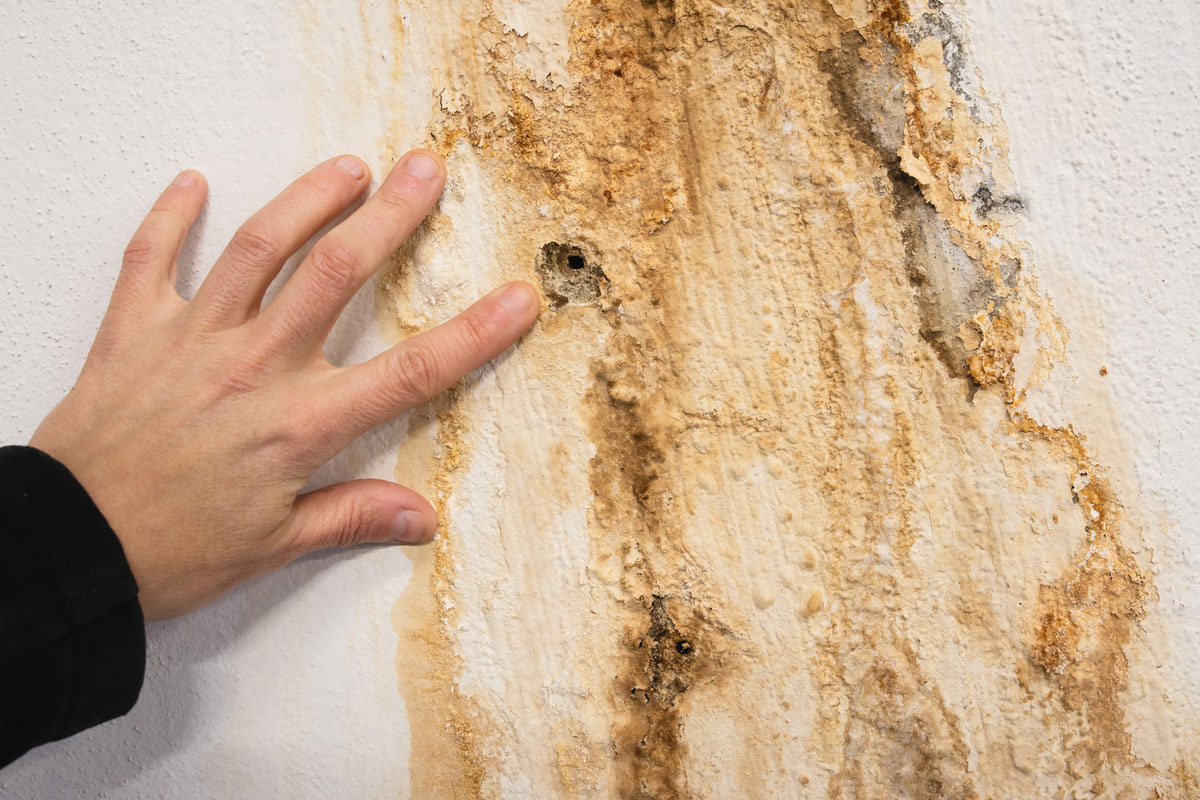

The Mechanics of Pressurized Subsurface Injection
The fatal flaw of retail-grade patches, such as hydraulic cement or silicone caulk, is that they only address the interior surface of the concrete face. Outside the home, water pressure continues to fill the fracture, slowly eroding the concrete internally until the surface patch inevitably fails. Professional injection resolves this by utilizing mechanical ports drilled through the centerline of the fracture.
By utilizing high-pressure injection pumps, a technician forces a liquid resin through the entire thickness of the basement wall. This pressure drives the material outward until it completely fills the void, sealing the fracture all the way to the exterior soil line.
The injection material that is selected by Foundation Restoration is to specifically meet the needs of the structure:
- Polyurethane Resins: This material is the industry standard for stopping active leaks and managing moisture. When injected, the liquid polyurethane reacts with the water inside the crack, expanding up to 20 times its volume into a dense, waterproof foam. Because this foam stays flexible, it moves naturally with the concrete during seasonal temperature changes, maintaining a permanent watertight seal even as the ground shifts.
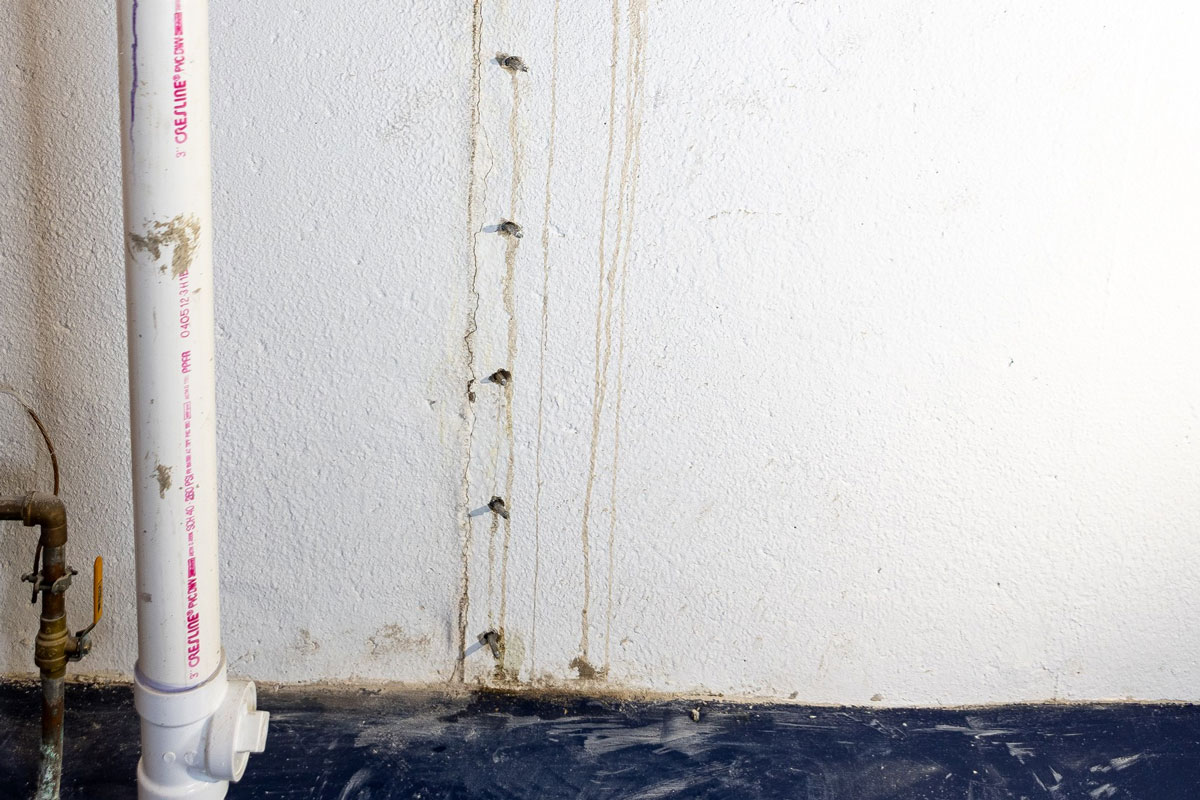
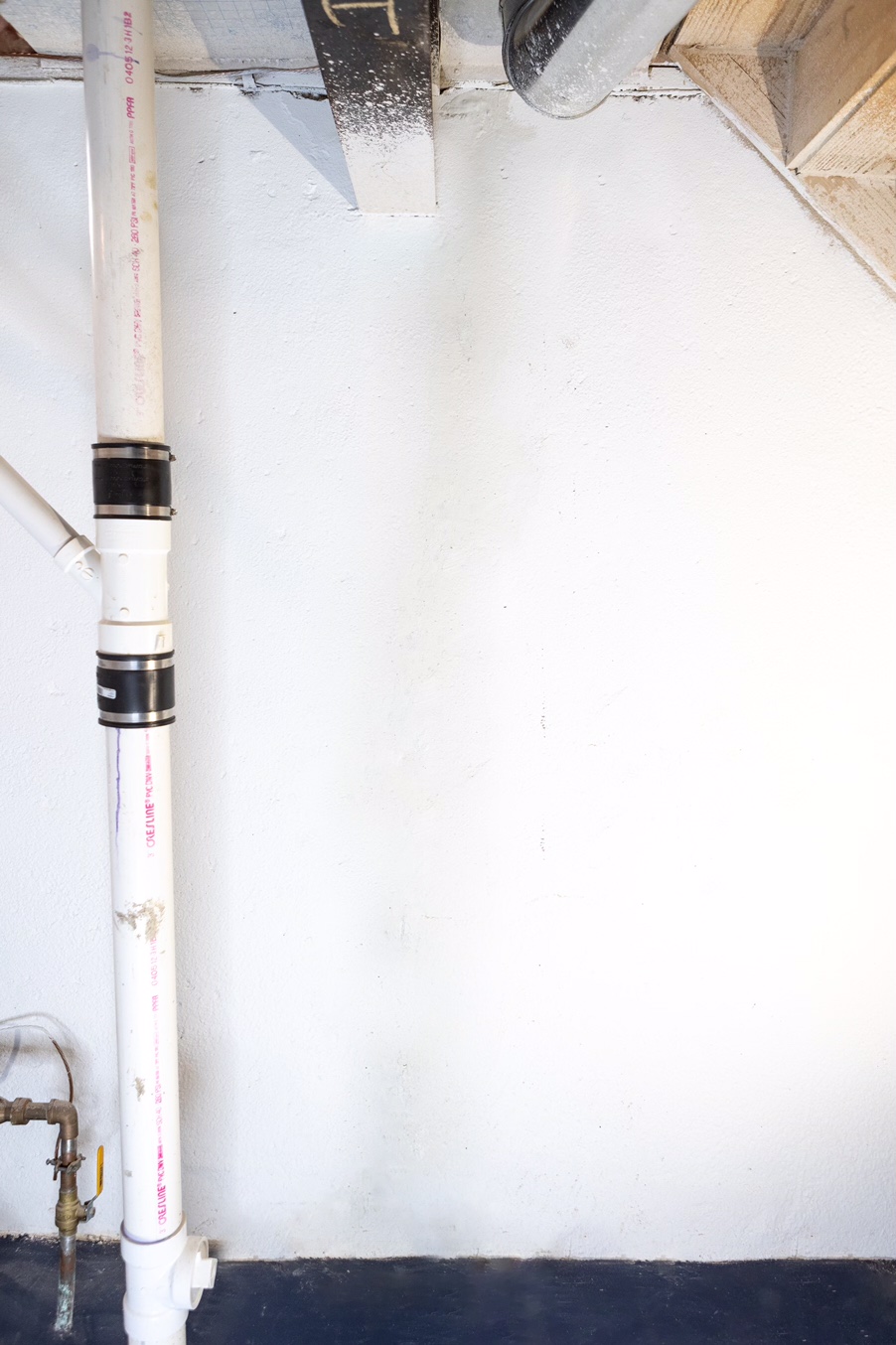
Click the above image for the full view.
Diagnosing the Limits of Injection Architecture
Understanding when not to use a crack injection is just as vital as knowing when to apply it. Injections are an elite solution exclusively for poured concrete foundation walls. Cinder block (CMU) or brick foundations cannot be injected in this manner, as the hollow cores of the blocks allow the resin to drain away harmlessly without sealing the outer shell. In block foundations, water must be managed via interior drainage channels or external membranes.
Furthermore, a professional diagnosis must differentiate between displacement cracks and settling cracks. If a foundation wall is experiencing lateral deflection—meaning the wall is actively bowing or tilting inward due to heavy clay soils—injection alone will fail. In those advanced scenarios, injections must be paired with structural reinforcement, such as structural wall anchors or heavy-duty steel beams, to counteract the external forces. Catching fractures early, while they are still candidates for simple polyurethane injections, prevent these massive structural interventions.
If you’re noticing a crack in your basement wall, don’t hesitate to contact us for a FREE inspection.