

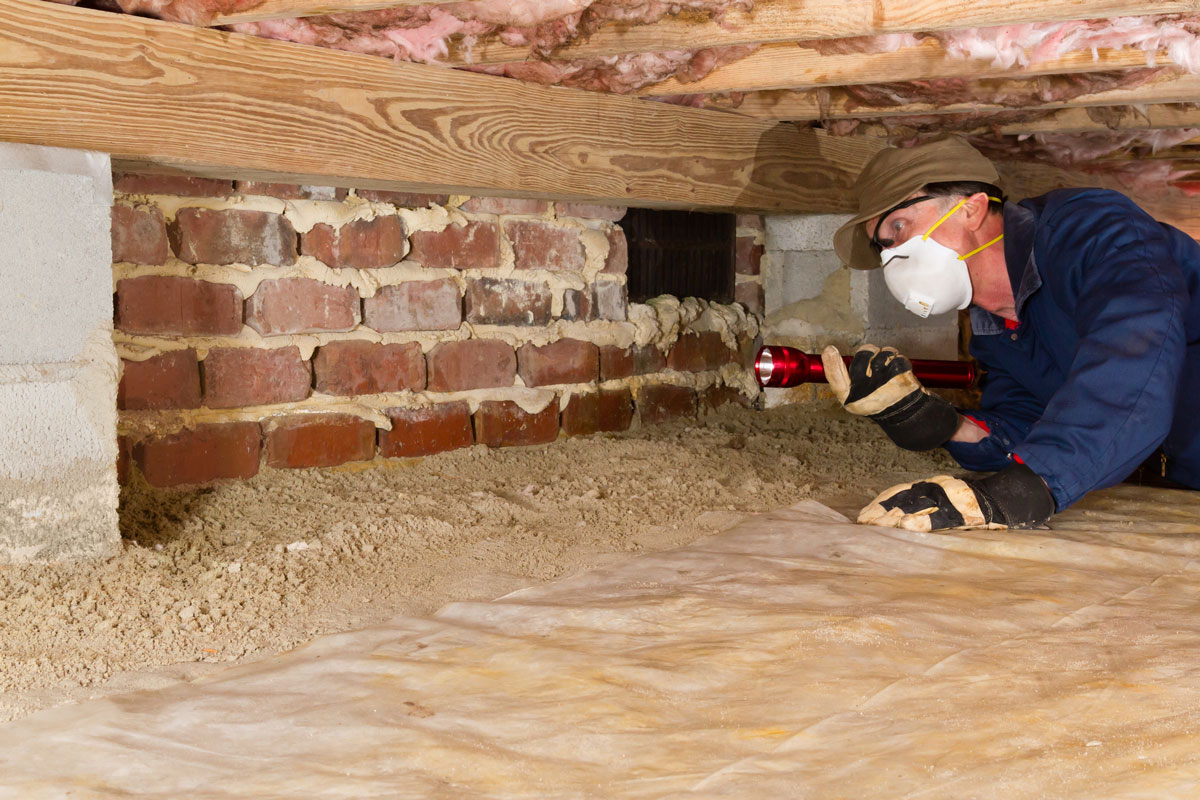

To keep your home safe, stable, and dry, we recommend heading down into the crawl space twice a year. The best times to do this are in late spring, when high humidity tests your moisture defenses, and again in late fall to prep for freezing weather and check for summer soil shifts. Before you head under, make sure you protect yourself. Grab a bright flashlight, a smartphone for photos, an N95 dust mask, eye protection and a flathead screwdriver.
Understanding the Warning Signs
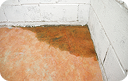
When you first enter the crawl space, look closely at the ground and the foundation walls. Water is the ultimate enemy of a stable home. You want to look out for standing puddles or muddy patches, especially around the exterior perimeter. Pay close attention to the concrete walls; if you see dark stains or a white, powdery salt deposit known as efflorescence, it means water is actively pushing through from the outside. Don’t forget to look up at the overhead pipes and drains to ensure no slow plumbing drips are quietly rotting your framing or condensation forming.
Next, focus on the actual bones of your house. Your crawl space bears the massive weight of your entire home, so structural integrity is everything. Use your flashlight to inspect the concrete blocks or wooden posts holding up your main beams to ensure nothing is leaning or cracking. You can also use your screwdriver to gently press into the wooden floor joists. If the wood feels soft, spongy, or crumbles away, you are dealing with active wood rot that requires professional structural support.
Finally, consider your home’s energy efficiency and air quality. A compromised crawl space ruins the comfort of the living spaces upstairs. Look for fiberglass insulation batts that are sagging, water-logged, or falling onto the dirt. Check your metal HVAC ductwork for heavy condensation or pooling water, which happens when humid air collides with cold metal. While you are scanning the wood framing, look for white, grey, or black fuzzy mold patches, and watch the ground for thin, dirt-like termite mud tubes, shredded insulation or droppings left behind by rodents.
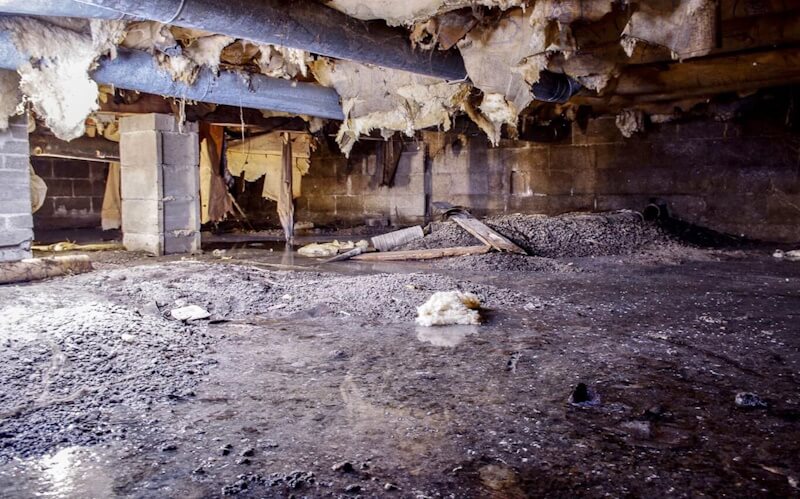
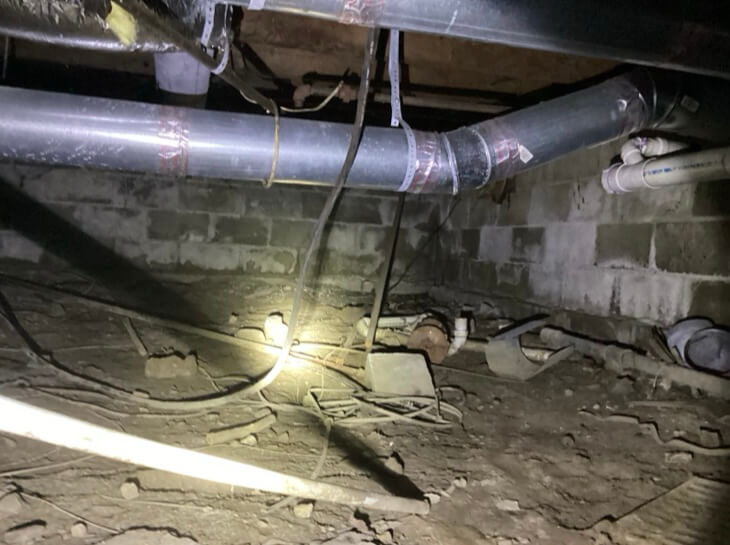
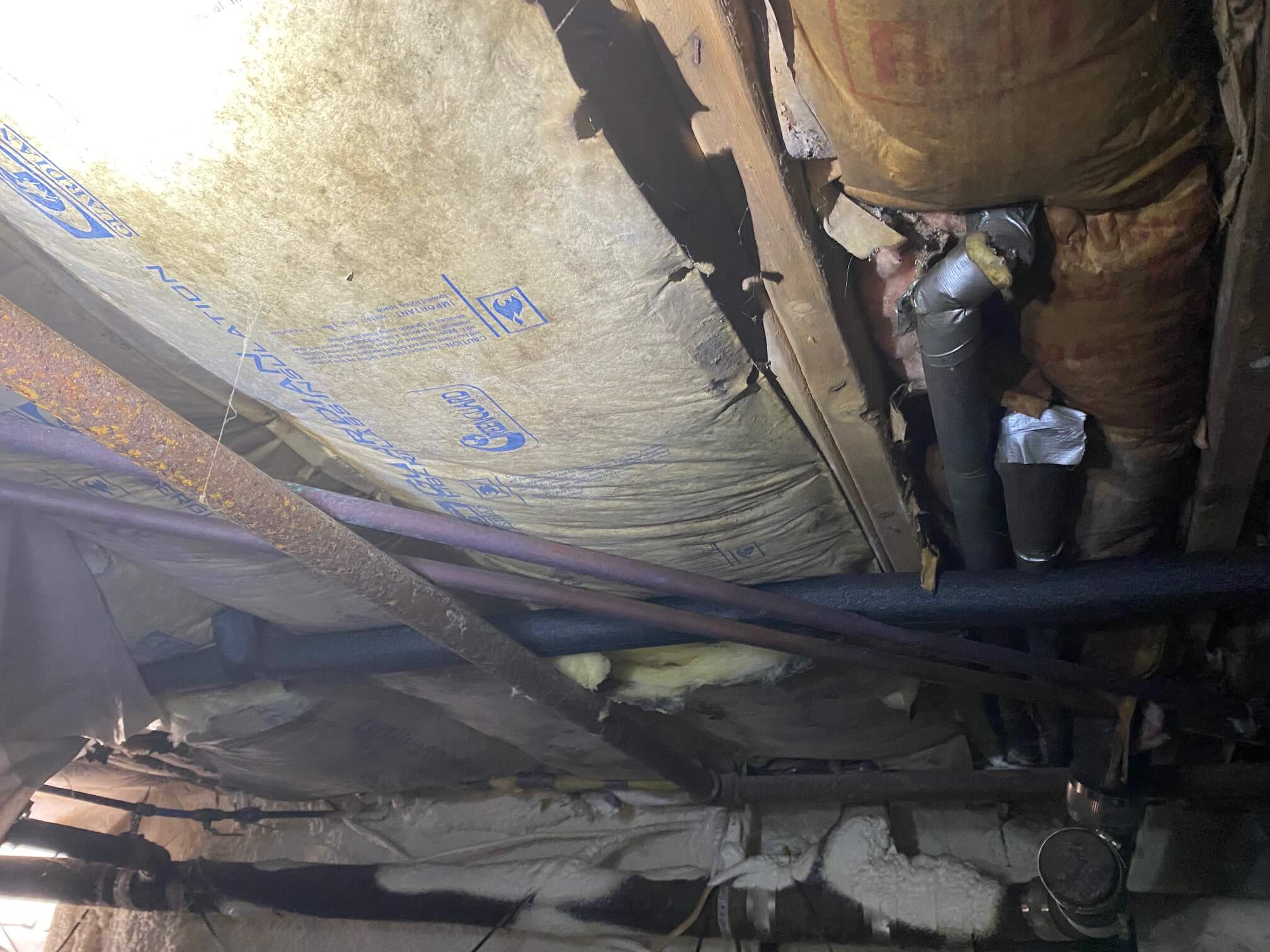
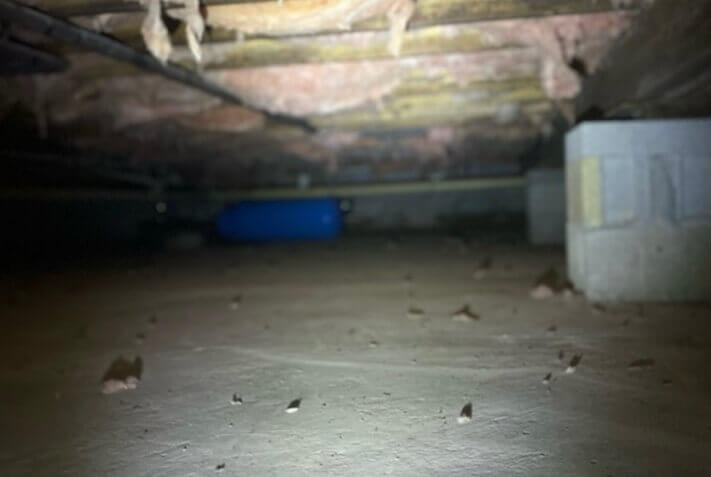
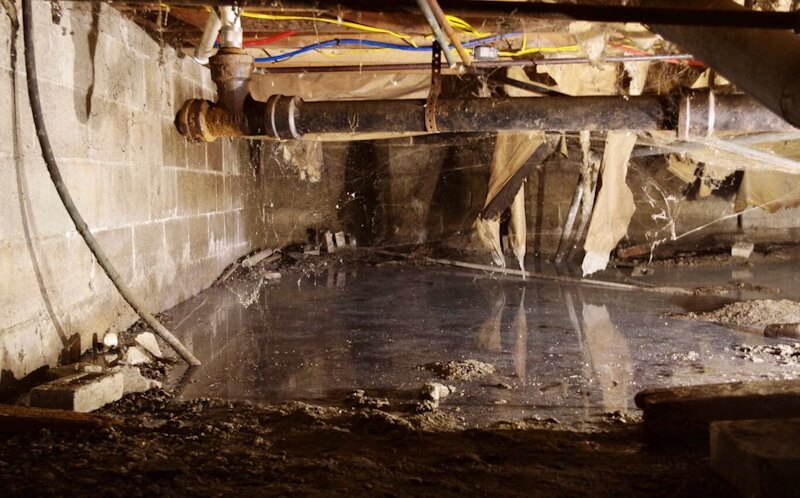
Click the above image for the full view.
Your Crawl Space Checklist
Print this out or pull it up on your phone the next time you inspect your crawl space:
-
- Standing Water: Check for puddles or muddy patches near the exterior walls.
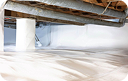
- Vapor Barrier Gaps: Ensure plastic floor sheeting is completely intact and not torn.
- Concrete Wall Stains: Look for dark dampness or white, powdery efflorescence.
- Plumbing Drips: Scan overhead pipes for slow leaks or green corrosion.
- The Wood Rot Test: Press a screwdriver into joists to ensure the wood is firm.
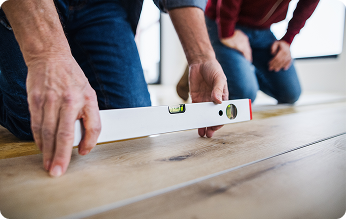
- Shifting Support Piers: Verify concrete blocks or wooden posts are perfectly straight.
- Sagging Insulation: Look for hanging, heavy, or missing fiberglass insulation.
- Sweating HVAC Ducts: Check metal ductwork for active condensation or pooling water.
- Mold and Mildew: Scan the wooden subfloor overhead for fuzzy growth or musty smells.
- Termite Mud Tubes: Look on concrete walls for thin, dirt highways built by pests.
Found Something Concerning?
If you completed your inspection and found standing water, soft wood, or bowing walls, don’t panic—but don’t wait, either. Catching these issues early is the key to preventing major structural failure. Reach out to our team today for a free professional assessment, and let’s keep your home on solid ground.