



The way water moves around your property matters. Poor drainage, overwatering, and improper grading can all contribute to moisture issues around your foundation, basement, or crawl space over time. The good news? A few simple landscaping habits can help reduce the risk of future problems and support a healthier home.
Here are five easy things homeowners can keep an eye on this summer.
1. Make Sure Water Flows Away From Your Home
After a heavy rain, take a walk around your yard and pay attention to where water collects. Are there puddles sitting near your foundation? Areas where the ground feels consistently soggy? Places where water seems to flow back toward the house?
Ideally, the ground around your home should gently slope away from the foundation so rainwater drains outward rather than collecting next to basement walls or crawl spaces.
Over time, soil naturally settles and landscaping projects can unintentionally create low areas. Catching those spots early can help prevent water from repeatedly gathering near your home.
A simple homeowner check: after a rainstorm, look for standing water that remains hours later. Your yard may be telling you something.
2. Keep Sprinklers From Constantly Soaking the Foundation
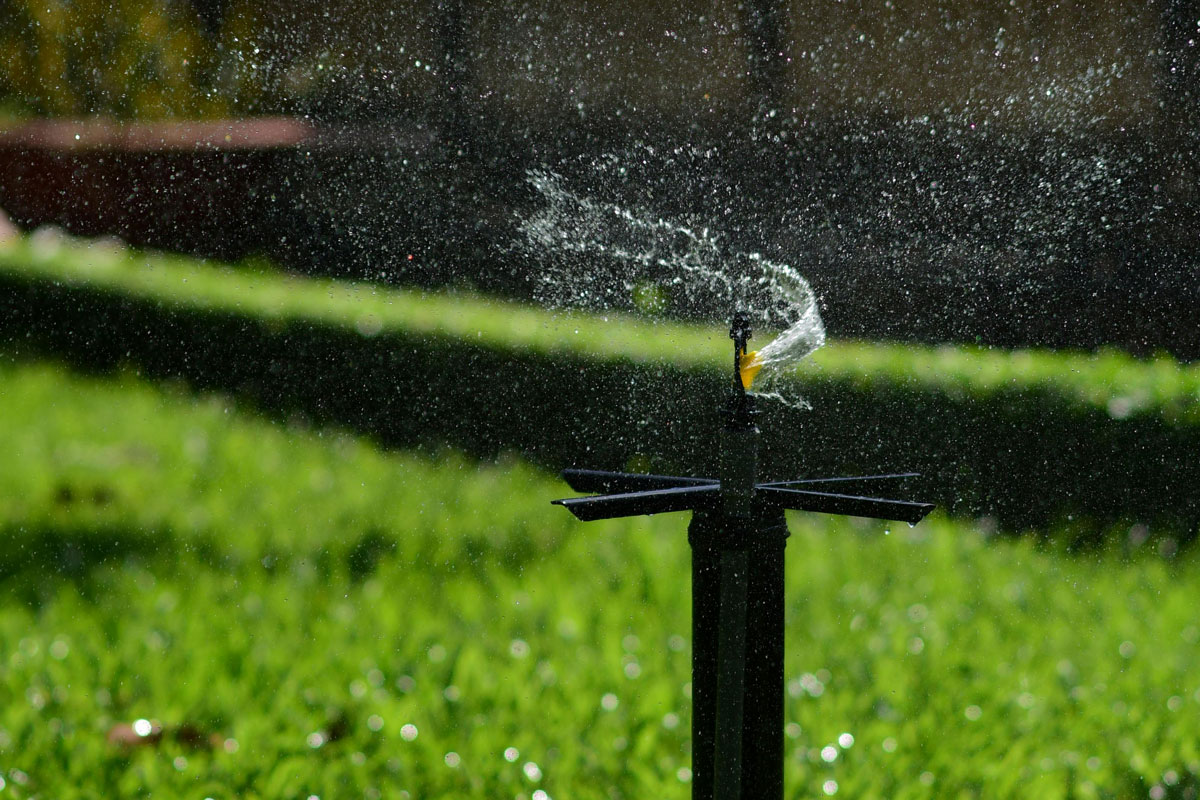
Sprinkler systems make summer lawn care easy, but they can sometimes create moisture problems without homeowners realizing it.
If sprinklers repeatedly spray water directly against the side of the house or soak flower beds against the foundation, the soil around your home can stay excessively wet. Repeated saturation over time can create unnecessary moisture exposure.
Walk through your yard while the sprinklers are running and look for:
- Water hitting siding or foundation walls
- Overspray directly against the house
- Areas that stay wet long after watering
- Pooled water near landscaping beds
A small adjustment to sprinkler direction or timing can make a big difference.
3. Be Strategic With Trees and Large Plants
Trees and shrubs add beauty, shade, and privacy, but planting too close to the home can create challenges over time.
Large root systems may compete for moisture in the soil, and some plants can affect how water moves around portions of the property. While every situation is different, giving larger trees and shrubs adequate space from the home is a good long-term practice.
If you’re planning new landscaping projects, think beyond how plants look today and consider how they’ll grow five, ten, or twenty years from now.
Planning ahead now can save headaches later.
4. Don’t Pile Mulch or Soil Against the House
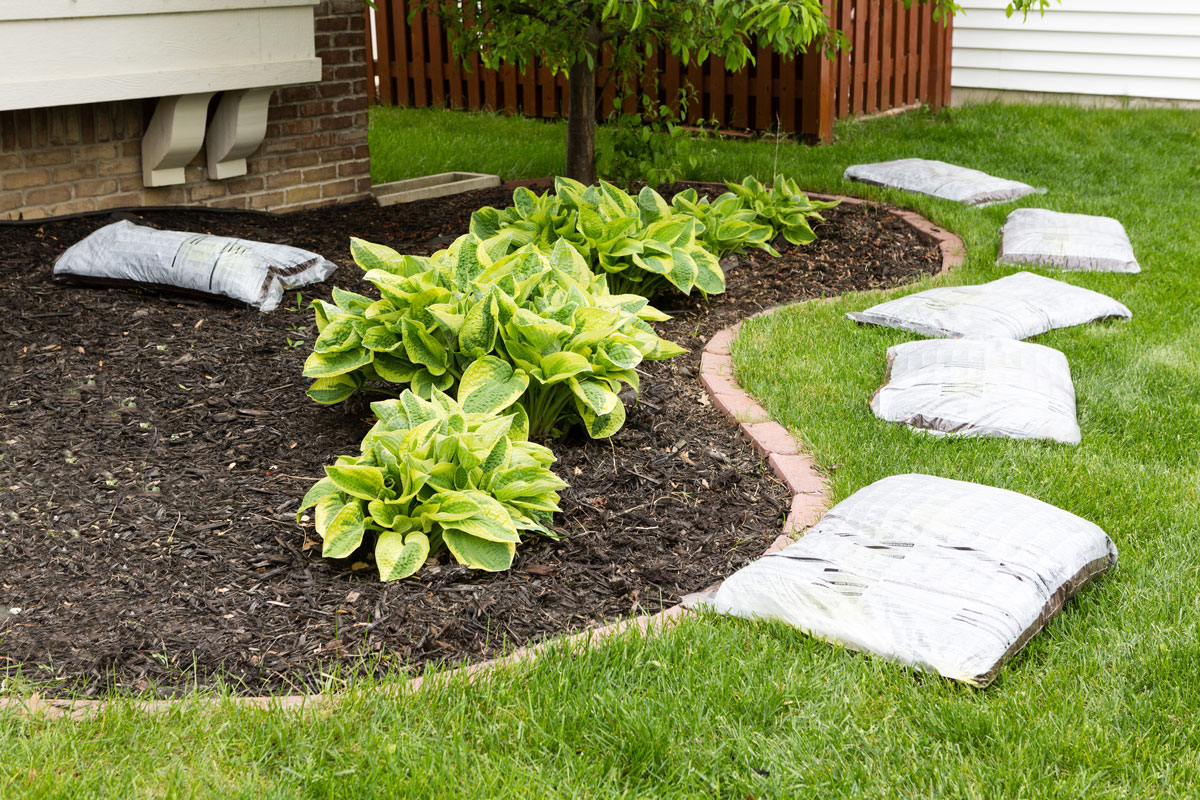
Fresh mulch always makes landscaping look clean and finished, but too much of it — especially against the home — can create problems.
Mulch piled high against siding, foundation vents, or lower portions of the home can trap moisture and reduce airflow. It may also make it harder to notice early signs of water intrusion or pest activity.
A better approach is keeping a little breathing room between landscaping materials and the home itself.
As you refresh landscaping this season, take a quick look around:
- Are flower beds built up too high?
- Is mulch touching siding?
- Are vents partially covered?
- Is moisture getting trapped?
Small adjustments can help improve drainage and airflow.
5. Pay Attention to What Your Yard Is Telling You
Your landscaping can often provide early clues that something isn’t working properly.
Watch for signs like:
- Areas where grass struggles to grow
- Persistent muddy spots
- Erosion around the home
- Water channels forming after storms
- Soil pulling away or settling
These changes do not automatically mean foundation problems are developing, but they can indicate that water isn’t moving the way it should.
The sooner drainage concerns are identified, the easier they can often be to address.
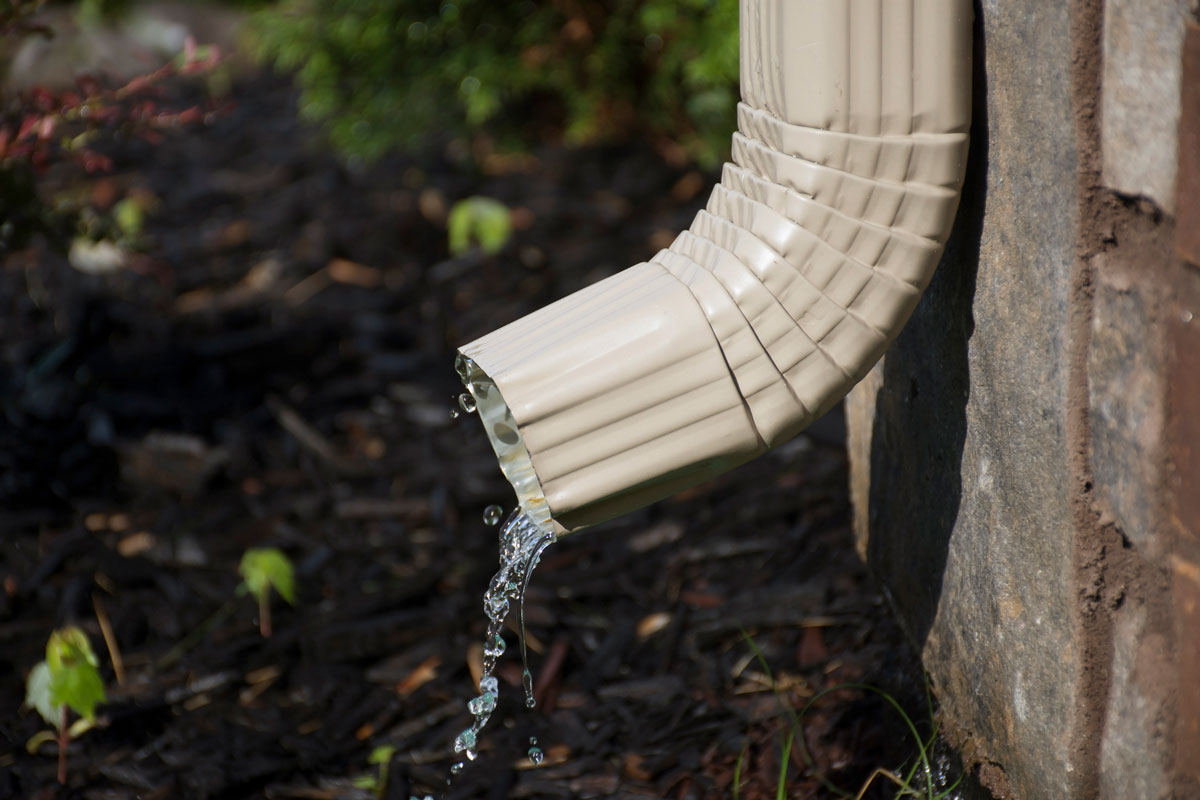
Protecting Your Home Starts Outside
Protecting your foundation isn’t just about what happens inside your basement or crawl space. Sometimes the first line of defense starts right in your yard.
A few simple landscaping habits and seasonal checks can help support better drainage and reduce excess moisture around your home.
Want to dive deeper into the relationship between landscaping and structural health? Check out our Expert Insight article on landscaping and your foundation to learn more.