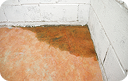


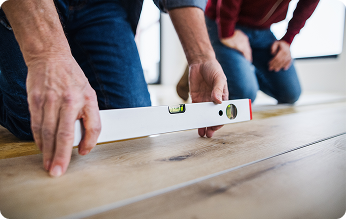

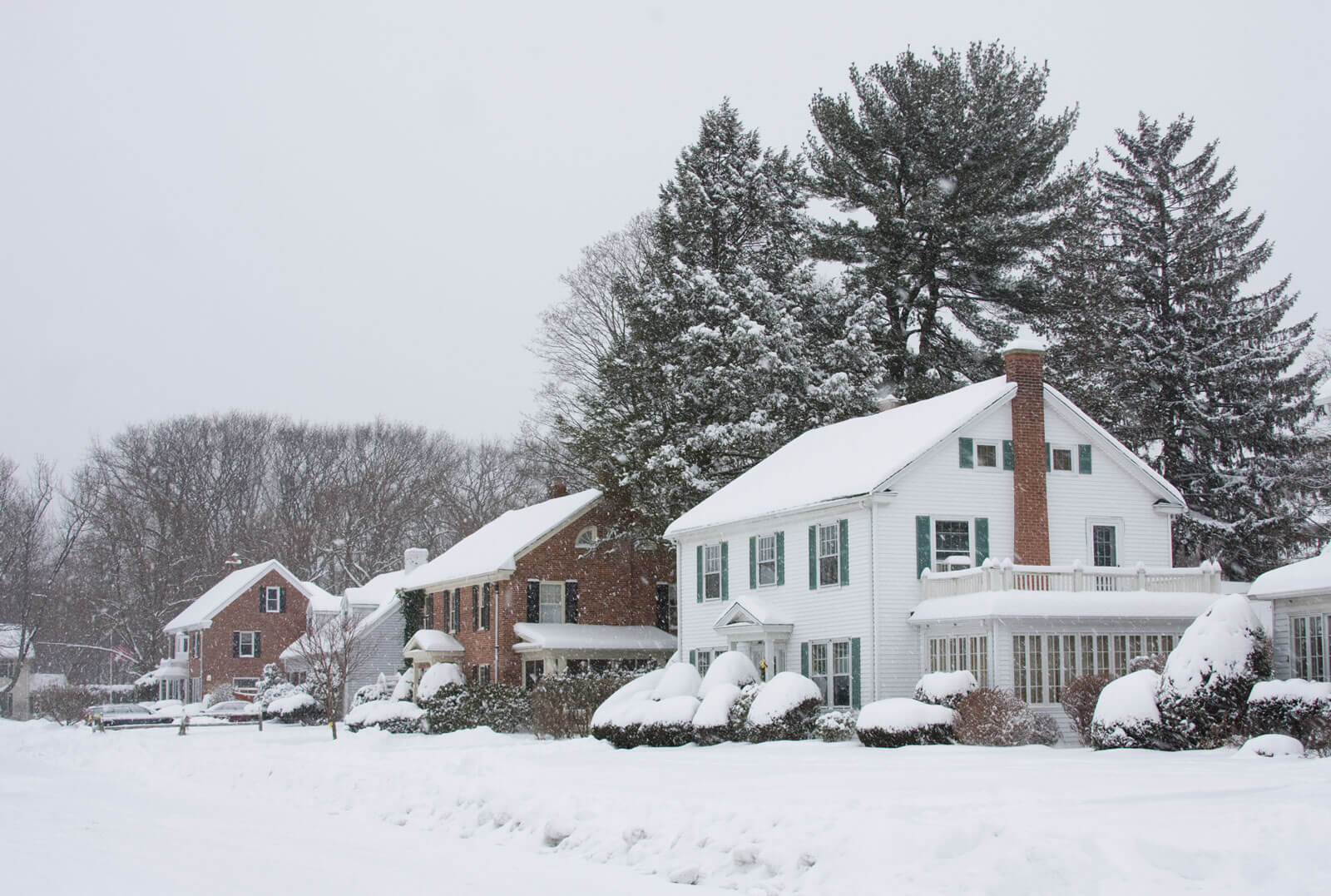

If you’ve lived in Michigan for more than one winter, you know the drill. The temperatures plummet, the snow piles up, it warms up and melts, it gets cold again and suddenly you start noticing new things about your home. Maybe a door that used to swing freely is now sticking, or perhaps you’ve spotted a hairline crack in your foundation wall that wasn’t there before.
The Three Ingredients of Frost Heave
Frost heave doesn’t happen just because it’s cold. It requires a “perfect storm” of three specific conditions, all of which are common in Michigan:
Freezing Temperatures: The air must be cold enough to freeze the moisture in the top layers of soil.
Frost-Susceptible Soil: Southeast Michigan is known for its heavy clay soil. Unlike sand, which allows water to drain, clay holds onto moisture, making it highly susceptible to expansion.
Excess Moisture: Snowmelt or rain that hasn’t drained away from your house provides the “fuel” for the ice to grow.
How it Works: The “Ice Lens” Effect
When these three ingredients meet, something happens beneath your feet. As the ground freezes, it doesn’t just turn into a solid block of ice. Instead, it forms “ice lenses”, layers of ice that grow as they draw more moisture up from the unfrozen soil below.
As these ice lenses grow, they expand. Because the frozen ground above is hard, the ice expands in the direction of least resistance, which is often upward and inward against your foundation. This expansion can lift entire concrete slabs, porches, and even shift your foundation walls.
Why January is the Danger Zone
In early winter, the “frost line” (the depth to which the ground freezes) is shallow. But by January, the cold has had weeks to penetrate deep into the earth. As the frost line reaches the level of your home’s footings or basement walls, the pressure becomes intense.
In Michigan, we also deal with Freeze-Thaw Cycles. One day it’s 40°F and raining; the next, it’s 15°F. This constant expansion and contraction acts like a slow-motion jackhammer against your concrete.
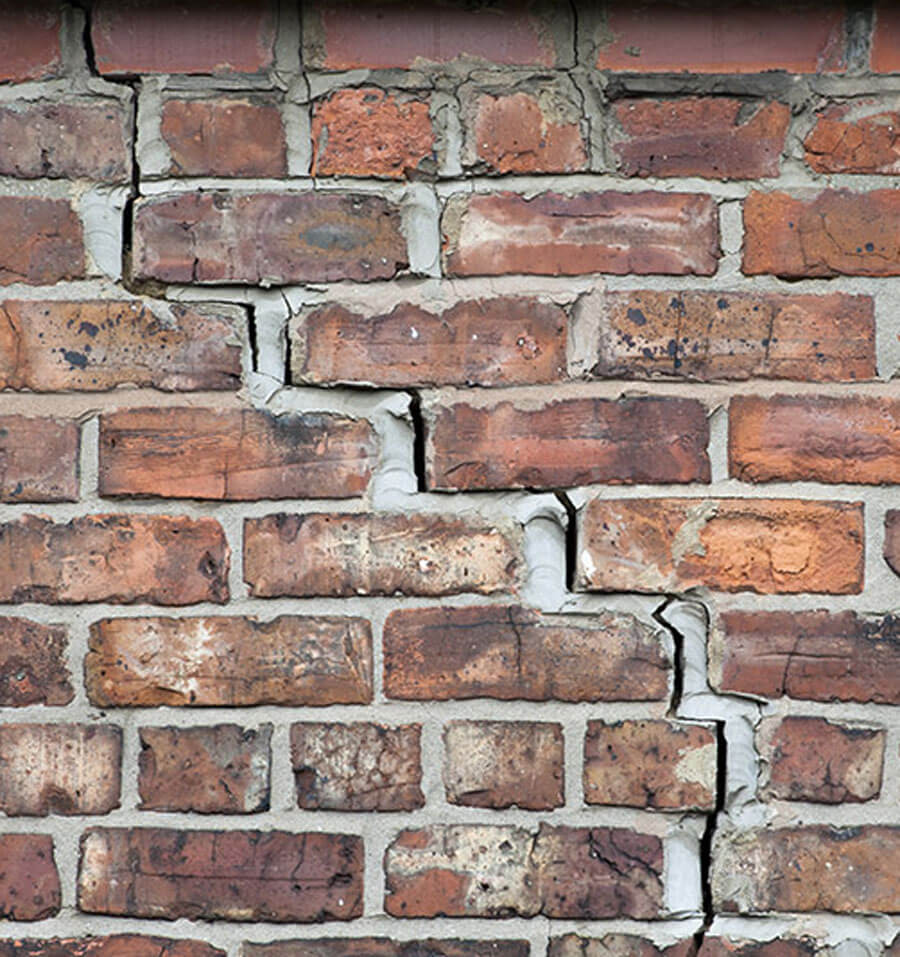
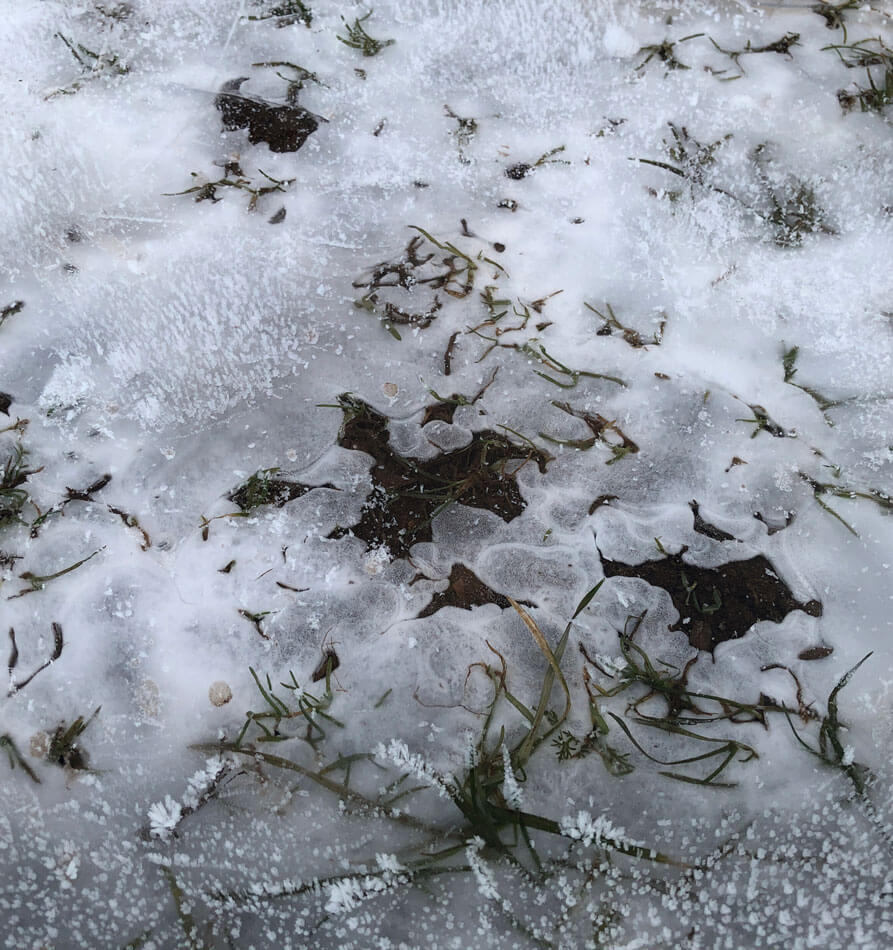
Click the above image for the full view.
5 Signs Your Foundation is “Heaving”
Keep an eye out for these winter warning signs:
- Sticking Doors/Windows: Frames warping due to a slight shift in the foundation.
- New Drywall Cracks: Especially around the corners of doors or windows.
- Horizontal Foundation Cracks: These are often caused by the inward pressure of freezing soil.
- Heaving Concrete: Sidewalks or garage floors that appear to have “lifted” higher than the surrounding areas.
- Gaps in the Soil: A visible gap between the frozen dirt and your exterior foundation wall.
Don’t let the “deep freeze” damage your home
If you’ve noticed new cracks or sticking doors, don’t wait to call a professional. Foundation Restoration offers free winter inspections to help you identify if your home is at risk.